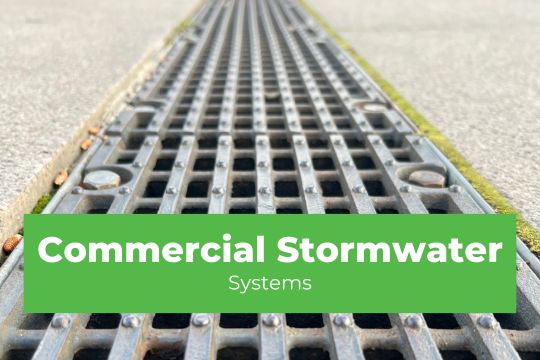


The first significant fall rains in Western Washington can expose drainage problems that went unnoticed during the dry season. With limited runoff during dry weather, commercial stormwater systems aren't always tested under demanding conditions. Heavy rainfall puts collection structures, underground pipes, and detention facilities to the test.
So, what should commercial properties inspect after the first heavy rains? Property managers should check catch basins, storm drains, grates, inlets, ponds, vaults, and areas with a history of drainage problems. During these inspections, pay attention to slow drainage, backups, debris accumulation, and water collecting or flowing in unexpected locations.
However, standing water isn't always a problem, as some stormwater facilities are designed to temporarily store runoff or maintain permanent water pools. Knowing how each structure should operate helps property managers recognize when something needs a closer look.
Why Inspect Stormwater Systems After Heavy Rain?
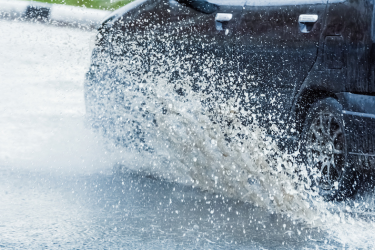
Heavy rainfall shows how well a commercial stormwater system handles runoff across the property. Stormwater runoff from parking lots, loading areas, and other paved surfaces enters catch basins, grates, and drainage inlets. Underground conveyance pipes then carry the collected water to downstream detention, treatment, or discharge facilities.
Sediment accumulation, debris, and pipe restrictions can interfere with this process. A drainage system that handles light rainfall without visible problems might struggle as runoff volumes increase. This is why dry-weather inspections only tell part of the story. Maintenance personnel can spot sediment deposits, damaged grates, and visible structural deterioration, but they can't see how water moves through the drainage system under heavier flow conditions.
During and after heavy rainfall, you can check whether water reaches collection points, drains as expected, or backs up onto surrounding surfaces to determine where further inspection or maintenance is needed.
Which Stormwater Structures Should You Check?
A post-storm drainage inspection should cover both surface collection structures and downstream facilities, with attention to how each structure is designed to handle water.
Catch Basins, Storm Drains, and Inlets
Catch basins collect runoff from paved surfaces, with sediment and debris settling in a sump at the bottom. Over time, this buildup can fill the sump or block drainage openings. Check for water backing up around catch basins and storm drains, slow drainage, or runoff flowing past inlets instead of entering them.
Pay particular attention to stormwater grates and inlets, where leaves, trash, sediment, and other debris can collect during rainfall and block water from entering the drainage system. Sediment can also build up inside catch basins, where removing it typically involves professional cleaning.
Water remaining inside a catch basin does not necessarily indicate a blockage. Some catch basins retain water in their sumps as part of their design. Pooling outside the structure, particularly when runoff cannot enter the inlet, warrants closer examination.
Stormwater Ponds, Vaults, and Control Structures
Stormwater ponds and vaults collect water carried through the drainage system. Detention facilities hold this water temporarily before releasing it at a controlled rate to manage flows downstream. Inspect accessible areas around ponds for unexpected overflow, erosion, accumulated debris, and unusual water levels. Water taking longer than expected to drain could point to a blockage or other drainage problem, depending on how the facility is designed to operate.
Detention vaults store water temporarily underground, while wet vaults are designed to hold permanent pools of water for stormwater treatment. Standing water inside these structures isn't always a sign of a drainage problem, as water levels depend on how each facility is designed to operate.
Outlet control structures manage how quickly water leaves detention facilities. Blockages, sediment buildup, or damaged components can slow or disrupt that flow. Because underground vaults and control structures can be difficult or unsafe to access, detailed inspections should be left to qualified professionals. You can still document visible conditions from safe locations without entering enclosed structures.
Commercial Property Post-Rain Inspection Checklist
Check the following areas for drainage problems:
- Catch basins and storm drains: Check for visible backups, slow drainage, and sediment accumulation.
- Grates and inlets: Look for leaves, trash, and debris restricting runoff entry.
- Stormwater ponds: Observe unusual water levels, overflow, erosion, or accumulated debris.
- Vaults and control structures: Check for visible drainage problems and arrange professional inspection of inaccessible components.
- Parking lots and paved areas: Check for unexpected pooling and altered runoff paths.
- Previously affected areas: Compare current conditions with earlier inspection and maintenance records.
Where Is Water Pooling or Flowing Unexpectedly?
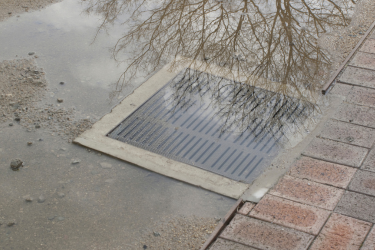
Water pooling in unexpected areas or flowing away from designated drainage points can signal problems with how stormwater moves across the property. Inspect parking lots, loading areas, drive lanes, pedestrian routes, and other paved surfaces for water collecting outside designated drainage areas. Water may collect across parking lots when runoff cannot reach drainage inlets, while blockages within the drainage system can cause water to back up near collection points. Poor surface grading can also cause water to collect in low areas instead of flowing toward drainage inlets.
Watch for the following:
- Water accumulating across vehicle entrances, loading zones, or pedestrian walkways.
- Runoff flowing in unexpected directions or crossing areas that normally remain dry.
- Repeated pooling near building entrances or foundation perimeters.
- Water backing up from drainage inlets instead of flowing into them.
Water collecting near commercial building foundations should be checked, although pooling alone doesn't necessarily mean there's foundation damage or water intrusion. Recording where water collects and the direction it flows gives maintenance professionals a starting point for checking surface grading, blocked inlets, underground pipe restrictions, or damaged infrastructure.
Why Revisit Previous Drainage Problem Areas?
Before conducting a post-rain property walk, review previous stormwater inspection reports, maintenance records, and drainage complaints to see which areas have had problems in the past. Revisit catch basins that have needed frequent cleaning, parking areas with a history of flooding, and ponds or vaults that have had drainage problems.
Compare current observations with earlier findings. Check if water is collecting in the same areas, whether problems have continued despite recent maintenance, or if new drainage issues have developed since the last inspection.
A commercial parking lot might develop standing water near the same catch basin after every heavy rainfall. Even if previous cleaning temporarily restored drainage, recurring pooling could warrant investigation of sediment accumulation, upstream debris, or underground pipe restrictions. Reviewing maintenance history can help narrow down possible causes, such as persistent blockages, structural defects, or site grading problems, and guide decisions about further cleaning or inspection.
How Should You Document and Address Findings?
Recording drainage problems during a post-rain inspection makes it easier to explain what happened to maintenance professionals, compare findings from past storms, and plan the next steps.
Record Conditions During the Post-Rain Walk
For any drainage problems you find, record the following:
- Location: Note the affected catch basin, inlet, pond, vault, or property area.
- Problem observed: Describe standing water, slow drainage, backups, debris buildup, or unusual water flow.
- Timing: Note if the problem appeared during rainfall, shortly afterward, or continued after the rain slowed or stopped.
- Photographs: Take photos from safe, accessible locations.
- Maintenance history: Include any previous cleaning, repairs, inspections, or drainage complaints involving the same area.
Compare these observations with available site plans, maintenance records, and the system's expected operation. Photos taken during and after rainfall can show how water levels and drainage patterns change over time. Keep a safe distance from floodwater, and don't enter vaults or remove heavy covers during inspections.
Determine When Further Maintenance Is Necessary
Accessible debris blocking drainage inlets can be removed when conditions are safe, while heavy sediment buildup inside catch basins calls for professional cleaning. If backups continue or underground pipe restrictions are suspected, a video pipe inspection uses specialized cameras to check for blockages or damage inside the pipes.
Professional inspections of ponds, vaults, and control structures can reveal blockages, damage, or other problems affecting drainage. Since unusual water levels or occasional pooling can be normal depending on the facility's design, maintenance decisions should be based on the actual cause. These findings can also guide efficient flood prevention strategies, such as scheduling targeted cleaning and monitoring problem areas before the next heavy rainfall.
Warning Signs You Should Not Ignore
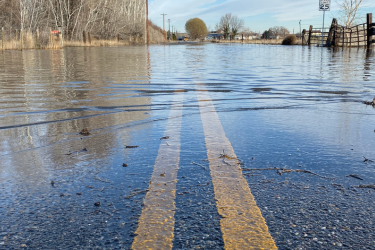
Drainage problems that affect property access, safety, or normal system performance should be checked promptly.
Watch for these warning signs:
- Water backing up from catch basins or stormwater inlets, suggesting a possible restriction or downstream drainage problem.
- Pooling that obstructs vehicle access, loading operations, or pedestrian routes, creating operational or safety concerns.
- Repeated drainage problems in previously serviced areas, which could point to an unresolved problem.
- Unexpected overflow or runoff leaving its intended drainage path, potentially affecting surrounding property areas.
- Visible damage, erosion, or significant debris accumulation around stormwater structures that could restrict drainage or affect how the structure operates.
The urgency of follow-up depends on the severity of the condition, site safety, and the stormwater system's expected performance.
Prepare Your Property for the Next Heavy Rain
The first heavy rains show how a commercial stormwater system handles increased runoff. While some facilities are designed to temporarily store water, unexpected pooling, restricted drainage, and repeated backups are signs that something needs a closer look.
CatchAll Environmental helps property managers inspect and maintain privately owned stormwater infrastructure throughout Western Washington. To prepare your property for the next heavy rain, you can ask about comprehensive commercial stormwater services, including professional inspections, cleaning, and preventive maintenance.