

When CatchAll Environmental inspects a stormwater system, our inspectors identify potential maintenance needs, repairs, and other conditions that require attention. These findings may be documented as Recommended Corrective Actions (RCAs), which help property owners and managers understand what needs to be addressed now, what should be monitored for future maintenance, and where further investigation may be needed.
So, how should commercial properties address stormwater recommended corrective actions? Some findings call for direct maintenance or repair, while others require monitoring or further investigation. Known defects or obstructions can be addressed once the needed work is identified. Larger treatment structures can be monitored so cleaning is scheduled based on their condition. When an underground condition is unclear, further investigation establishes what work is actually needed.
Understanding which type of response an RCA calls for helps property managers determine what needs attention now, what can be planned for later, and where more information is needed.
What Is a Stormwater Recommended Corrective Action?
At CatchAll Environmental, Recommended Corrective Actions (RCAs) are recommendations our inspectors make based on the conditions they identify during a stormwater inspection. These may include specific maintenance or repairs, further investigation of potential issues, or continued monitoring of structures that may need maintenance in the future.
For example, an RCA might recommend replacing a damaged catch basin grate, cleaning a restricted pipe, or performing a camera inspection to investigate an underground blockage. These recommendations help property managers understand what work is needed and plan accordingly.
The right response also depends on the system’s function, site conditions, access, maintenance history, and applicable inspection requirements. Local requirements can determine which stormwater guidance applies to a property, so owners and managers should confirm the standards for their site. The Washington State Department of Ecology notes that the applicable guidance depends on the stormwater manual used by the local permitting authority.
How Should You Respond to an RCA?
- Address the condition directly: When the problem is understood, the next step may be grouting, grate replacement, asphalt repair, root removal, or pipe jetting.
- Monitor and plan: Larger stormwater structures, such as filter vaults, detention vaults, and ponds, may not need immediate cleaning. CatchAll's inspections document sediment levels and structure conditions to help property managers anticipate future maintenance needs and budget for upcoming work.
- Investigate before choosing the repair: Suspected underground blockages or damage, pipes that cannot be fully evaluated during the inspection, or structures that cannot be located call for further investigation before deciding what maintenance or repair is needed.
How Are Common Stormwater RCAs Addressed?
Some commercial stormwater RCAs involve conditions that can be observed or identified with enough confidence during an inspection to recommend a specific next step. When the condition is clear, the recommended work can move forward.
Grouting
Grouting can be used to seal gaps, joints, cracks, or penetrations in stormwater structures. Gaps or deteriorated joints can allow water or sediment to move where it should not, which can affect the area around the structure.
An RCA for grouting should be based on the location and condition observed during the inspection. Not every crack or opening calls for the same repair method, and the material and repair scope should match the structure and specific condition. Grouting closes the opening and helps keep the structure working as intended.
Grate Replacement
The grate covers the opening while keeping the catch basin accessible for inspection and maintenance. A damaged, broken, displaced, or missing catch basin grate may need replacement.
Damage can make the area around the catch basin less safe and complicate inspection or maintenance. The right replacement depends on the specific catch basin, its location, and the conditions around it.
Asphalt Repair
Pavement immediately surrounding a catch basin or other stormwater structure can deteriorate, crack, settle, or become damaged over time. An RCA for asphalt repair can address this type of damage.
The repair focuses on the pavement around the stormwater structure, where deterioration can affect the surrounding surface, make the structure harder to access, or interfere with how runoff reaches the inlet. The scope of the work depends on the extent of the pavement damage and the problems it is causing.
Root Removal
Roots can enter or grow into underground stormwater pipes and structures, especially where there are openings or loose pipe joints. As the roots spread through the pipe, they can snag debris and create buildup that restricts water flow or eventually clogs the line. Root intrusion can also make the pipe more difficult to inspect and maintain.
Removing the roots can restore flow, but it may not address the opening or damage that allowed them to enter. If roots continue to return or there are concerns about the condition of the pipe, a camera inspection can help identify damaged joints, cracks, or other potential entry points.
Pipe Jetting
Restricted pipes can interfere with flow between stormwater structures, causing water to drain more slowly or back up. Stormwater pipe jetting uses pressurized water to break loose sediment, debris, roots, and other buildup inside conveyance pipes and flush the material toward a catch basin or manhole where it can be removed.
Jetting is a cleaning method, not a structural pipe repair. If jetting does not fully resolve the problem, the line repeatedly becomes restricted, or there are concerns about the pipe itself, closed-circuit camera inspection can help identify remaining blockages, root intrusion, cracks, separated joints, or other damage.
Why Aren’t Larger Stormwater Structures Cleaned Every Year?
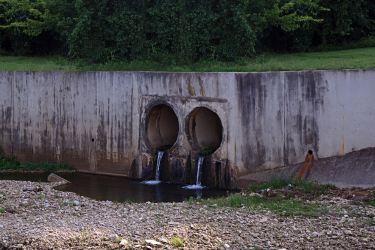
Not every stormwater structure needs to be cleaned annually. Larger structures, such as filter vaults, detention vaults, and ponds, may only require cleaning every few years, depending on their condition and maintenance requirements.
CatchAll's inspections help determine when maintenance is necessary by documenting sediment accumulation, structure conditions, and potential issues. This allows property managers to plan and budget for cleaning or repairs rather than waiting until a problem becomes urgent.
Between cleanings, sediment levels and the condition of the structure should still be monitored and documented annually, based on the requirements that apply to the structure and site. Keeping those records over time makes it easier to see whether sediment is building up, the structure is deteriorating, or maintenance is getting closer to being needed.
What Annual Monitoring Should Document
This can include checking:
- Visible damage or deterioration
- Sediment levels and changes since previous inspections
- The general condition of the structure and accessible components
- Performance concerns observed during inspection
- Previous cleaning and maintenance history
These records can inform stormwater filter maintenance, stormwater vault cleaning, stormwater pond maintenance, and maintenance of other treatment structures. Cleaning requirements should be based on the specific structure and the standards that apply to it. Requirements can differ based on jurisdiction, property type, stormwater system, facility operations, permit status, and previous inspection findings.
How Does Monitoring Help With Maintenance Planning?
A single sediment measurement only shows what was there at the time of the inspection. Comparing measurements from one inspection to the next can show whether sediment levels are staying about the same or continuing to build up. The same applies to other condition records, which can show whether a structure has remained fairly stable or signs of deterioration are becoming more noticeable over time.
With that history, property managers can better anticipate when maintenance is coming due and plan for the work. If inspection records indicate that a larger filter, pond, vault, or treatment structure is moving toward the point when maintenance will be needed, there may be time to schedule the work, obtain estimates, request budget approval, and coordinate the project with other property maintenance.
For example, finding some sediment in a vault does not always mean it needs to be cleaned right away. If inspections show that sediment levels are continuing to rise and getting closer to the point when cleaning is required, the property manager can start planning for the work before it becomes urgent. This can provide an earlier indication that maintenance is needed instead of discovering the full scope only after system performance has noticeably declined.
When Does an RCA Require More Investigation?
Some problems cannot be fully understood from what is visible during an inspection. Signs of a blockage or pipe damage can point to an issue underground, while other findings can indicate a system component that still needs to be located. In these situations, investigation can be the correct RCA. The problem needs to be identified before the right maintenance or repair can be determined.
Camera Scoping
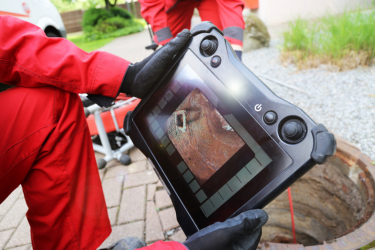
Stormwater camera scoping, also called video pipe inspection, involves sending a specialized camera through underground stormwater piping so the interior condition can be checked for problems.
Camera inspection gives a direct look inside underground stormwater pipes, making it possible to identify sediment buildup, blockages, root intrusion, cracks, pipe separation or displacement, and broken or collapsed sections that cannot be seen from the surface.
What inspectors see inside the pipe helps determine what needs to happen next. The camera can distinguish a simple blockage from damage to the pipe itself, which helps narrow down the work that needs to be done. The important point is that the repair follows the diagnosis. Before choosing a structural repair, the actual condition of the pipe needs to be confirmed.
Attempt-to-Locate
When a stormwater structure cannot be located during an inspection, CatchAll may recommend an attempt-to-locate. This can happen when drainage plans are incomplete, structures have been buried or paved over, or their exact locations are unknown.
Locating these structures allows our inspectors to evaluate their condition and determine whether cleaning, repairs, or other maintenance is needed. An attempt-to-locate does not necessarily indicate a problem with the structure itself, but it helps ensure that important components of the stormwater system aren't overlooked.
What Should Happen After an RCA Is Identified?

Once the inspection report identifies an RCA, property managers can turn the finding into a practical maintenance plan:
- Review the findings. Determine what the inspector observed and whether the cause of the condition is known.
- Classify the RCA. Decide whether it calls for direct maintenance or repair, monitoring and planning, or further investigation.
- Prioritize the work. Consider how the system is functioning, property safety concerns, access, timing, and applicable inspection requirements.
- Schedule the next step. Cleaning, repair, continued monitoring, camera inspection, or location work can then be scheduled based on what the RCA calls for.
- Document the work. Keep records of completed maintenance, repairs, diagnostic findings, and follow-up inspections.
- Update the maintenance plan. Use the new information to guide future inspections, cleaning schedules, and budgeting.
For commercial building stormwater compliance, completing the inspection and addressing individual RCAs are only part of the work. Property managers also need clear records of inspection findings, completed maintenance, changes in system condition, and applicable reporting requirements so they can see what has been handled and what still needs attention.
Turn Inspection Findings Into a Maintenance Plan
CatchAll's Recommended Corrective Actions help property owners and managers understand the condition of their stormwater systems and identify what needs attention. Some recommendations involve immediate cleaning or repairs, while others help plan for future maintenance or identify areas that need further investigation.
Through our complimentary stormwater inspections, CatchAll provides system maps, photos, condition updates, and recommendations to help property managers prioritize maintenance and budget for upcoming work.
Whether you need help addressing an existing RCA or would like a second set of eyes on your stormwater system, contact CatchAll Environmental to schedule a free inspection.