

.png)
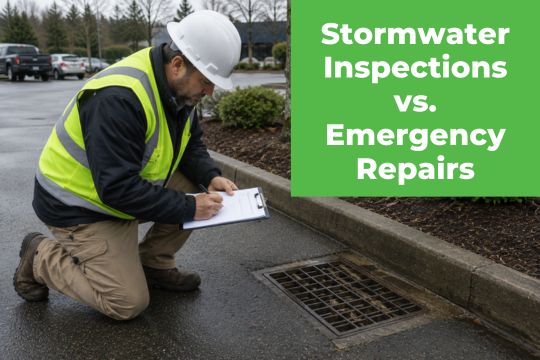
Emergency stormwater repairs are expensive, disruptive, and often preventable.
In Western Washington, heavy rainfall puts significant demands on stormwater systems year after year. Routine inspections help property owners and managers identify maintenance needs early, plan ahead, and budget for repairs before small issues turn into costly emergencies.
Whether your property has catch basins, filter vaults, ponds, bioswales, or other stormwater structures, understanding the condition of your stormwater system is one of the best ways to protect your property and avoid unexpected repair costs.
Why Routine Inspections Matter

Stormwater systems are designed to collect, convey, treat, and control stormwater runoff. Over time, sediment, debris, and normal wear can reduce system performance.
Many expensive repairs begin as relatively minor issues, including:
- Sediment buildup in catch basins and treatment structures
- Damaged grates or stormwater structures
- Root intrusion or damaged piping
- Erosion around ponds and bioswales
- Failing components that go unnoticed between maintenance visits
Without routine inspections, these issues often go unnoticed until they result in flooding, poor drainage, or more extensive repairs.
Can You Reduce Sediment on Your Property?
While some sediment is unavoidable, good site maintenance can help reduce how much enters your stormwater system.
Some best practices include:
- Stabilize exposed soil with vegetation or other erosion control measures.
- Sweep parking lots regularly, especially before the rainy season.
- Keep dumpster enclosures and loading areas free of loose debris.
- Control construction materials such as sand and gravel during projects.
These practices help reduce sediment entering the system, but they do not eliminate the need for routine inspections and maintenance.
What Happens During a Stormwater Inspection?
A professional inspection provides a clear picture of your stormwater system's current condition.
Depending on your property's stormwater system, an inspection may include:
- Measuring sediment levels within stormwater structures
- Inspecting catch basins, vaults, ponds, treatment systems, control structures, and other stormwater structures
- Identifying damaged or deteriorating components
- Documenting conditions with photographs
- Recommending maintenance or repairs before they become larger problems
Following the inspection, CatchAll Environmental provides a detailed quote, photos of your stormwater system, a system map, and a recommended plan of action so you can make informed maintenance decisions and budget for future work.
The Value of Preventative Maintenance
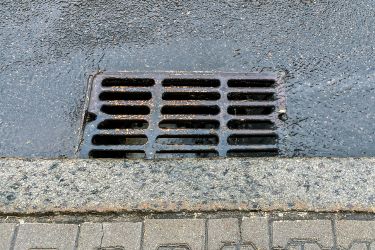
Routine inspections are only the first step. Once maintenance needs have been identified, addressing them proactively is almost always less expensive than waiting for a failure.
Preventative maintenance can help:
- Extend the life of your stormwater system
- Improve overall system performance
- Reduce the likelihood of flooding during heavy rainfall
- Identify repairs before they become larger projects
- Support ongoing compliance by documenting inspections and completed maintenance
Rather than reacting to emergencies, preventative maintenance allows property managers to schedule work at the right time and avoid unnecessary disruptions.
After Major Storms, Consider an Additional Inspection
Heavy storms can introduce large amounts of sediment and debris into a stormwater system while also exposing erosion, damaged structures, or other maintenance concerns.
If your property experiences significant rainfall, flooding, or unusually heavy runoff, an additional inspection can help identify issues before they become more serious.
The Cost of Waiting
Deferring maintenance may save money today, but it often leads to significantly higher costs later.
For example, sediment that could have been removed during a scheduled maintenance visit may eventually contribute to localized flooding or reduced system performance. Likewise, a small crack in a stormwater structure may eventually require excavation, pavement restoration, or more extensive repairs if left unaddressed.
Planning ahead almost always provides more options and lower costs than responding to an emergency.
Supporting Long-Term Compliance

Many municipalities require private stormwater systems to be properly maintained, and some properties are also subject to additional permit requirements.
Routine inspections and maintenance help document the condition of your stormwater system, identify maintenance needs, and support compliance by maintaining accurate service records and inspection documentation.
Plan Ahead Before the Rainy Season
The best time to identify stormwater maintenance needs is before the rainy season, not after a major storm.
Routine inspections help property managers understand the condition of their stormwater system, prioritize maintenance, and budget for future work before unexpected repairs disrupt operations.
At CatchAll Environmental, our process is simple: Inspect. Plan. Service. Maintain.
We inspect your stormwater system, document its condition with photos and a system map, provide a recommended plan of action, and help you prioritize the maintenance and repairs needed to keep your system functioning as intended.
If it has been a while since your last inspection, or if you are unsure of your system's current condition, contact CatchAll Environmental to schedule an inspection or request a quote.