

.png)
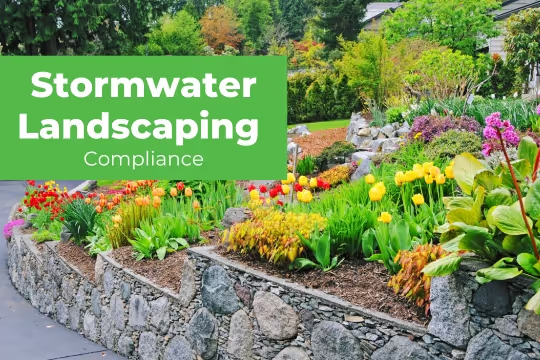
It is easy to underestimate how landscaping maintenance impacts stormwater compliance. Where you see aesthetics and a higher curb appeal of the property, authorities see the potential for environmental liability via nutrient runoff and a reduction of oxygen in rivers and lakes. Even though bodies of water like the Columbia or Spokane rivers look like they are too big to be affected by your property's runoff, the ecosystems are sufficiently fragile that every little bit of pollution matters. That said, there are ways to approach the annual gardening activities that prevent compliance risks and protect local rivers. Let's take a closer look.
Landscaping and the Stormwater Connection
Mowing, trimming, planting, fertilizing, and irrigating are typical spring and summer landscaping tasks in western Washington State. You are most likely working with a company that handles this aspect of ground maintenance. As a result, you may not be aware of the debris and runoff that reaches storm drains.
Consider that water flowing across your landscaped areas picks up everything in its path as it runs off. Examples include soil, trash, landscaping chemicals, and fertilizers. Landscape runoff can also carry away improperly stored chemicals, such as pesticides and herbicides. Whatever leaves your property as runoff is how landscaping maintenance impacts stormwater compliance.
Grass Clippings, Leaves, and Landscape Debris
Typical waste products from weekly landscaping on your property include grass clippings, leaves, and other landscape debris that end up in the street and in gutters. When entering your stormwater management infrastructure, they can clog storm drains and reach lakes or rivers, where they decompose and deplete oxygen, adversely affecting natural habitats.
Fertilizers, Herbicides, Pesticides, Soil, and Irrigation Challenges
Irrigation runoff occurs when watering exceeds the soil's capacity to absorb water. The resulting runoff carries soil sediment, lawn chemicals, and various organic debris into storm drains.
Because watering increases in spring and summer, which is also the time when landscapers focus on weed and pest control, chemicals present one of the more serious compliance challenges for property managers. In lakes and rivers, excess nitrogen and phosphorus, which are contained in typical fertilizers, may deplete oxygen and contribute to algae blooms.
Working With Landscaping Crews to Minimize Compliance Risks

If the crew that handles your landscaping makes mistakes that result in runoff affecting nearby bodies of water, you, the property manager, not the landscaper, will be held accountable. That said, you hire the crew because you do not have the time or equipment to handle the landscaping yourself. How can you work with the vendor without coming across as a micromanager to the crew?
It begins by setting clear expectations for debris removal from paved areas, waste disposal, and best practices to prevent gardening debris from entering stormwater management infrastructure. Next, get on the same page with water management. The crew must understand that you do not want to see wet walkways or pavement. While it may feel odd to supervise a vendor who specializes in their field, remember that you are the customer and should therefore set parameters.
There are simple preventative steps you can take. Have your maintenance crew check drains after landscaping work. Do they see grass clippings? A quick inspection can help prevent clogs and violations. Walk the property after watering; do you see wet pavement? Replace the sprinklers or aim them more effectively at the garden beds.
Simple, Proactive Practices to Achieve Landscaping Stormwater Compliance
Small landscaping habits can significantly impact compliance. So far, we have discussed how landscaping maintenance impacts stormwater compliance. Let's take a look at best management practices.
- Hardscapes. Parking lots, walkways, and other paved areas accelerated water flow into the storm drains. Ask your landscaping vendor to sweep up grass clippings and other waste rather than blowing it into the street.
- Irrigation. Routinely check for overspray. Consider replacing sprinkler heads with drip lines. Ask your landscaper to adjust irrigation seasonally to prevent overwatering and subsequent runoff.
- Landscape chemicals. Whenever possible, request slow-release products. Moreover, ask the crew not to apply any garden chemicals before an anticipated rain event or the first heavy watering.
- Erosion. Use mulch or ground cover to reduce erosion. Concurrently, it will allow the soil to retain moisture, which reduces the need for irrigation.
What Happens If You Do Nothing About Landscaping Stormwater Compliance?
The landscaping steps we mentioned are quick, easy, and proactive. But what happens if you ignore them and do nothing instead?
- Fines. Allowing irrigation runoff to carry landscaping chemicals and waste into the stormwater management systems can result in clogs. Chemicals and decomposing clippings disrupt the oxygen balance in rivers and lakes. Governing agencies may issue daily fines or formal notices of violation.
- Governmental scrutiny. Violations flag your property address. Inspectors will pay closer attention to compliance. In this situation, even the smallest issues, such as overspray from a new sprinkler head, can trigger whole-property inspections. Enforcement for your property will become more frequent and stricter.
- Unexpected expenses. To protect the good standing of commercial landscaping stormwater permits and follow pesticide application regulations, you may have to conduct emergency cleanup after a failed inspection. Any type of emergency service is expensive. Retrofitting irrigation systems also gets expensive. If you fail multiple inspections, you may need to hire a consultant to help you identify and address compliance issues. This is another unexpected expense.
- Negative brand impact. Your property management company has brand values that set it apart from competitors in its niche. However, poorly managed landscaping with visible runoff damages the brand. The same goes for failed inspections and violation notices. As a result, you may notice an adverse effect on leasing. Tenant retention may also become problematic.
Make Stormwater Compliance Easy
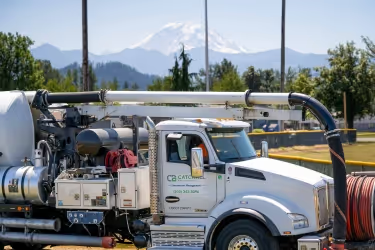
Working with your vendor ensures compliance with landscaping requirements. Let's look at sustainable drainage maintenance solutions. Work with a vendor who can put your stormwater management on autopilot. Having this professional in your corner means your stormwater management infrastructure is in optimal working order. And if there are landscape issues, this vendor could alert you before the issue becomes so large that local municipalities take notice.
Schedule a call with our team of stormwater maintenance specialists to learn more!