

.png)
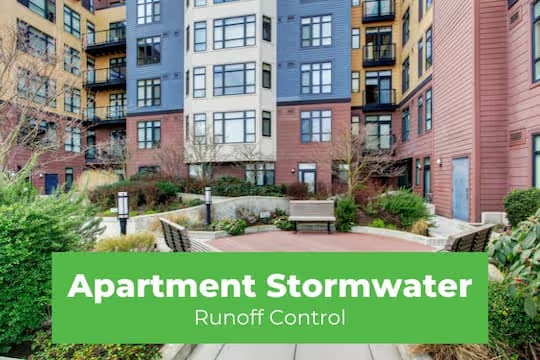
Managing stormwater runoff control in apartment complexes requires far more than routine maintenance; it demands a strategic framework that accounts for resident activity patterns, evolving site conditions, vendor coordination, and year-round environmental pressures. Apartment communities function like small neighborhoods compressed into a limited land area, which means pollutants accumulate rapidly across paved surfaces, landscaped borders, community walkways, and recreational zones. Because of this, stormwater runoff control in apartment complexes must be structured, consistent, and supported by both staff and residents. Even minor lapses in upkeep, such as debris near parking stalls or soil erosion along walkways, can create significant downstream challenges during heavy rainfall. To help guide apartment managers in developing strong, sustainable BMPs, resources like the official apartment stormwater guide can provide a reliable foundation for staff training and compliance.

One of the most significant differences between apartment communities and other property types is the scale of activity occurring across multiple outdoor spaces simultaneously. Residents come and go throughout the day, children play in common areas, pets use shared lawns, and landscaping crews move equipment along pathways that often cross important stormwater flow routes. Over time, these repeated activities reshape how water travels across the property. A community designed initially to handle a specific volume of traffic might require additional oversight or updated maintenance practices as traffic patterns evolve. Understanding these environmental shifts is essential for ensuring stormwater runoff control in apartment complexes remains effective and resilient.
The Complex Stormwater Environment of Multifamily Housing
Apartment sites present unique challenges that intensify stormwater management responsibilities. Shared outdoor amenities, tight traffic corridors, multi-use courtyards, and long stretches of pavement create a network of surfaces that interact with rainfall in different ways. Unlike commercial zones that typically have predictable operating hours, apartment communities operate around the clock, allowing pollutants to appear at any time and accumulate rapidly.
Multiple Points of Surface Contact
The built environment of an apartment complex includes a consistent mix of:
- Vehicle traffic entering and exiting throughout the day
- Package delivery routes that cross walkways
- Waste collection areas that sometimes overflow or scatter debris
- Residents transporting items to cars, garages, or dumpsters
- Pets frequenting the same grassy areas multiple times per day
Each of these everyday actions increases the likelihood that pollutants remain on the ground until rainfall pushes them into stormwater pathways. Even something as simple as soil displaced from a planter bed or a handful of leaves crushed into a walkway can contribute to sediment loads entering the system.
Heightened Pollutant Diversity
Multifamily sites generate a wider variety of stormwater pollutants than most land uses. In addition to the typical parking-lot oils and fertilizers found in commercial properties, apartments often face:
- Household cleaning products are disposed of improperly
- Spilled food waste near trash enclosures
- Microplastics from playground surfaces
- Laundry detergents dumped outdoors
- Hobby materials such as paints or adhesives
- Water from rinsing pet supplies or outdoor toys
Because the pollutants are so diverse, property managers must rely on education, signage, and consistent upkeep to reduce the volume of contaminants entering the stormwater system during rain events.
Evolving Site Conditions Over Time
As apartment communities age or grow, stormwater patterns evolve. Examples include:
- Walkways are settling and altering the natural slope direction
- Parking lots are developing dips or cracks where water pools
- Landscaping redesigns, redirecting surface flow
- High-use zones are experiencing increased wear and soil displacement
- New amenities are unintentionally diverting runoff
These shifts signal the need for updated maintenance schedules, new inspection routines, or potential retrofits that support long-term performance.

Resident Engagement: The Key to Preventing Pollution at the Source
Although maintenance crews handle a significant amount of stormwater-related work, residents have the greatest influence on the daily cleanliness of outdoor spaces. When tenants understand how their actions affect local waterways, compliance becomes easier and more natural for the whole community.
Educating in Ways That Actually Reach Residents
To be effective, education must be simple, visual, and repeated over time. Property managers can strengthen participation by using:
- Easy-to-read signs near pet areas, trash enclosures, and walkways
- Step-by-step door hangers before the rainy season begins
- Short email reminders about seasonal stormwater responsibilities
- Digital notices through resident portals or mobile apps
- Community bulletin boards with high-visibility reminders
Repetition is key. A one-time announcement rarely changes behavior, but regular check-ins can build a culture of cooperation and awareness.
Practical Resident Strategies
Residents can support multifamily runoff control by:
- Keeping personal balconies free of soil, trash, or lightweight items that may blow into walkways
- Disposing of household liquids properly instead of dumping them outside
- Cleaning up pet waste promptly
- Reporting pooling water or areas where erosion is beginning to form
- Avoiding outdoor car maintenance or cleaning activities
When residents understand that these actions directly protect the community and prevent flooding, they become partners in maintaining stormwater quality rather than unintentional contributors to runoff pollution.
Maintenance Teams: The Operational Core of Stormwater Reliability
Stormwater maintenance in an apartment setting is not a once-a-month task; it is a rhythm. The most effective apartment communities operate on a predictable cycle of inspection, surface upkeep, and property-wide monitoring. Over time, consistent maintenance builds reliability, meaning rainstorms become events the property is prepared for, rather than ones it must react to.
Daily Responsibilities That Strengthen System Performance
Maintenance teams are the first line of defense for preventing stormwater contamination. Their daily tasks may include:
- Conducting walk-throughs of common areas to remove trash, food waste, or packaging debris
- Checking parking stalls for new spills or automotive leaks
- Monitoring landscaping edges where soil or mulch might creep onto walkways
- Clearing windblown debris that can accumulate around benches, utility boxes, or sidewalk corners
- Reporting any pooling water or early signs of erosion so the issue can be fixed quickly
In multifamily environments, where hundreds of people move through shared spaces daily, these simple tasks significantly reduce the amount of pollution that reaches stormwater pathways.
Weekly and Monthly Preventive Measures
Over longer intervals, teams should take steps such as:
- Power sweeping parking areas
- Refilling ground cover in thin landscape zones
- Repairing minor pavement cracks
- Inspecting drainage entry points for sediment buildup
- Checking perimeter pathways for water movement issues
- Refreshing mulch where soil exposure is increasing
Preventive work reduces the strain placed on the system during seasonal rains and helps extend the lifespan of stormwater assets.
Seasonal Storm Preparation
Before the heaviest storms:
- All outdoor surfaces should be cleared of debris
- Sediment around entry points should be removed
- Landscaped areas should be stabilized to prevent soil migration
- Areas prone to pooling should be addressed through grading or temporary flow adjustments
- High-traffic pedestrian routes should be checked for safety
Preparing the property before storms hit is one of the most efficient ways to support stormwater runoff control in apartment complexes.
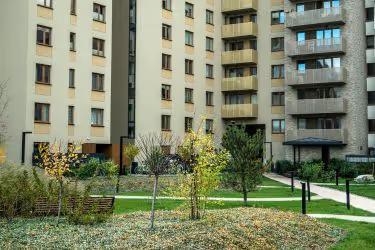
Retrofit Improvements That Strengthen Multifamily Runoff Control
Even well-maintained apartment communities can experience runoff challenges if the original site design did not fully account for slopes, infiltration rates, or long-term surface wear and tear. Strategic retrofits help modernize the property and enhance stormwater flow without relying on prohibited structures.
Permeable Pavement in Approved Applications
Non-vegetated permeable pavement can be used to update small walkways or select courtyard zones. These materials:
- Allow rainwater to soak into the base layers
- Reduce the amount of water traveling across the surface
- Help manage runoff near pedestrian-heavy areas
- Complement existing pavement without major redesign
This is especially helpful for older communities where runoff tends to move faster due to compaction or surface wear.
Detention-Based Retrofits
Apartment properties can improve runoff control using compliant detention solutions designed to:
- Temporarily store excess stormwater
- Release it more gradually
- Prevent downstream overloading
- Reduce temporary flooding around parking or recreation areas
These upgrades significantly improve resiliency during intense rainfall events.
Flow Redirection Through Surface Regrading
Minor grading adjustments can have a significant impact. By reshaping minor slopes, managers can:
- Encourage cleaner water movement
- Prevent uncontrolled sheet flow
- Reduce erosion
- Guide runoff toward approved collection points
These adjustments are cost-effective, practical, and fully compliant with relevant regulations.
Stormwater Professionals: Your Safety Net During Heavy Rainfall
Even with excellent on-site teams, professional stormwater technicians are essential for verifying the internal condition of storm drain components and ensuring long-term compliance.
Expert Inspections Reveal Hidden Issues
Technicians utilize specialized tools such as advanced cameras, flow assessment equipment, and sediment-depth measurement tools to identify problems like:
- Blockages within stormwater pipes
- Unexpected sediment accumulation
- Slow-drain areas caused by underlying flow restrictions
- Structural issues inside stormwater channels
- Debris buildup is not visible from the surface
These inspections help prevent flooding, fines, and emergency repairs.
Professional Cleaning and Maintenance Services
In addition to inspections, trained stormwater crews perform:
- Sediment removal from approved structures
- Jetting to clear internal deposits
- Surface cleanup in high-impact zones
- Repair recommendations for aging components
Routine professional servicing strengthens the overall system and provides clear documentation to support compliance with Washington State regulations.
Documentation That Helps with Budgeting and Compliance
Technicians generate reports that:
- Track system condition over time
- Identify emerging risks
- Validate maintenance schedules
- Support annual budget planning
- Provide proof of due diligence for regulatory reviews
This documentation helps property managers make smart, proactive decisions rather than reacting to costly surprises.
Conclusion
In high-density environments, stormwater runoff control in apartment complexes requires coordinated planning, engaged residents, skilled maintenance teams, and periodic professional oversight. When implemented effectively, apartment communities experience fewer disruptions, cleaner outdoor spaces, and a higher level of environmental compliance. Through consistent inspections, surface cleaning, and proactive improvements, property managers can more effectively protect their buildings and residents from stormwater challenges. As you prepare for upcoming weather patterns, ensure you schedule routine catch basin cleaning to keep your system performing optimally year-round.