

.png)
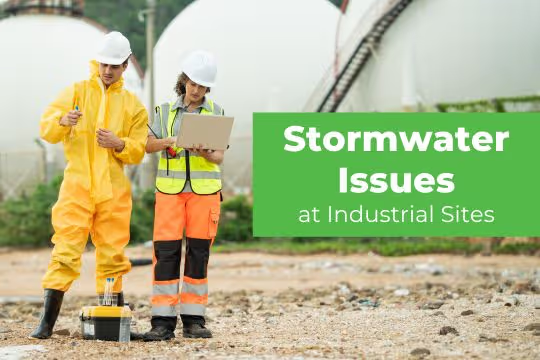
Common stormwater problems at industrial logistics facilities are directly related to the operations at these sites. For example, at industrial facilities and warehouses, there are real risks of oil contamination and leaking chemicals. Around distribution centers, logistics hubs, and fleet yards, you are likely dealing with surface erosion and sinkholes. As an operations or facility manager, you are at the forefront of noticing the problems and remedying them immediately. Let's take a closer look.
Why Do Logistics Sites Generate Higher Pollutant Loads?

In Washington, many industrial and logistics facilities operate under the requirements of the Industrial Stormwater General Permit (ISGP), which requires facilities to implement best management practices and monitor stormwater discharges to reduce pollutants leaving the site.
Pollutant buildup is a very real danger associated with logistics and industrial facilities. At the heart of any problems is heavy truck traffic. Frequent truck movement in, out, and within the facility increases surface wear on roads but also deposits oil drips, leaking fuel, and metal residues. During a rainstorm, they easily wash into the storm drains.
Industrial and logistics sites also face a higher risk of stormwater pollution from tire wear particles, which introduce zinc and other chemicals into the air, and from brake dust, which deposits copper and iron on paved surfaces. These substances are typically fine particles that also wash into storm drains after yard spraying or after a rainstorm.
It is interesting to note that regulators recognize pollutant loading associated with these vehicles, but it may also involve manufacturing byproducts or exposed outdoor material storage. Pollutant loading is the total amount of pollutants that enter the environment through stormwater runoff within a specified period of time. Regulators are not looking at how dirty the water is; instead, they focus on how many pollutants are leaving the site.
Regulatory and operational implications are clear. A stormwater permit will focus on reducing pollutant loading rather than eliminating individual components. Because heavy traffic and industrial site activity make it virtually impossible to prevent pollutants completely, developing adequate site risk management procedures and stormwater controls is critical. With respect to stormwater management infrastructure, it typically refers to treatment systems, such as catch basins and vaults, of sufficient size for the intended operation.
How Does Oil Contamination Overwhelm Oil-Water Separators?
Oil contamination can overwhelm the capabilities of industrial site stormwater management infrastructure. Common stormwater problems at industrial logistics facilities often stem from fueling areas, fleet parking lots, and maintenance zones.
Consider how an oil-water separator removes oil and fuel-related chemicals from any stormwater before it leaves your site. When rainwater flows in from the parking lot or loading area, the separator slows the water, allowing the lighter oil and fuel to float to the top. Heavier sediments settle at the bottom. The water in the middle between these two layers flows out of the separator and continues through the stormwater management infrastructure.
However, oil-water separators are not foolproof.
- Dissolved chemicals. Dissolved chemicals can have the same weight as the water and flow out alongside it.
- Oil buildup. Oil-water separators must be cleaned routinely. Many stormwater management contractors schedule routine maintenance appointments to meet your site's needs to prevent oil buildup. Failure to do so results in oil escaping with the water.
- Insufficient infrastructure backup. The oil-water separator is an initial line of defense. However, it cannot be the last line. Other stormwater management infrastructure must be available and in good working condition to prevent pollutants from escaping.
This separator can become overwhelmed, often when it is improperly sized or inadequately maintained. You may notice that the water in a catch basin has a distinct oil sheen. A strong petroleum smell may accompany the sheen. If you witness anything like this, it is critical to intervene immediately.
What Causes Storm Drain Backups at Warehouses?
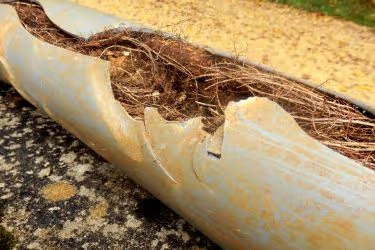
When a conveyance line becomes clogged, it leads to drain backups. Conveyance lines are the elements of your stormwater management infrastructure that move water from one area to another. The term most commonly refers to underground pipes but may also denote swales and culverts.
A conveyance line can become clogged because of root damage, sediment buildup, or trash accumulation. It may fail if parts of the pipe segments are collapsed or shifted even slightly, so that water no longer flows easily. The results are storm drain backups, yard flooding, loading dock disruptions, and safety hazards for drivers and workers.
You can tell a line is becoming clogged when standing water remains after a storm or when drainage from a basin is much slower than usual. In some cases, you can identify a buildup by an unusual smell coming from the drains. It is important to note that storm drain backups do not fix themselves; on the contrary, they will likely only get worse.
How Does Heavy Machinery Contribute to Asphalt Damage?
Asphalt is typically designed for specific weight limits and traffic patterns. That said, excessive weight loads compress the asphalt and the underlying base layer, leading to cracks. Additionally, much of the traffic at an industrial site follows the same pattern. Before long, you notice ruts on the ground near the dock, across the yard, or in the driving lanes. Additionally, consider that vibration from heavy machinery worsens impact stress and creates microcracks in the asphalt surface.
Each issue taken alone is not a serious problem. However, when you combine them with water infiltration from rain and freeze-thaw cycles, you quickly end up with asphalt damage that can contribute to pollutant loads. Weakened asphalt cracks and leads to potholes. Sediment from this damage enters conveyance lines and catch basins. As a result, the overall functionality of your stormwater management system is compromised. You will notice that catch basins and conveyance lines may need more frequent maintenance, while you may end up patching the asphalt before you had planned.
The Danger of Deferred Maintenance
Did you know that many common stormwater problems at industrial logistics facilities stem from deferred infrastructure maintenance? It is true! The reasons for delaying regular cleaning may include budget constraints, missing inspection documentation requiring repairs, or a company culture of reactive maintenance. Unless there is a problem, do not fix it.
However, this approach increases long-term expenses. A proactive maintenance schedule allows for:
- Predictable expenses you can spread over the course of the budget period.
- Improved functioning of asphalt and stormwater management infrastructure for longer.
- Identification of small problems before they become big (expensive) emergencies that may cause business disruption and failure to comply with stormwater regulations.
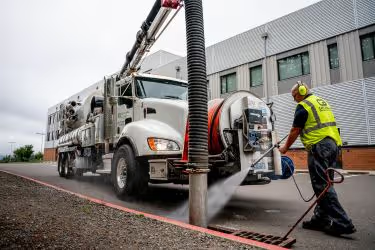
Obviously, a proactive maintenance approach is preferred when seeking to reduce pollutant loading. For facilities regulated under the Industrial Stormwater General Permit (ISGP), proper documentation and routine maintenance are essential to demonstrate compliance during inspections or monitoring reviews.
On the other side is the business model focused on emergency repairs to stormwater infrastructure and asphalt reconstruction. Kicking the can down the road gets expensive. You are dealing with unexpected costs, may have to replace what could have been repaired, and this will result in annoying disruptions of operations. And, because your documentation shows that you are spot-fixing problems, compliance issues will add more costs.
It is Time to Schedule an Industrial Stormwater System Evaluation
Because your facility's operation continuity, asset protection, and regulatory compliance are pivotal for ongoing operations, do not take any chances. CatchAll Environmental handles routine and emergency storm drain cleaning and inspections. Schedule an industrial stormwater system evaluation and request a preventive maintenance proposal today!