

.png)
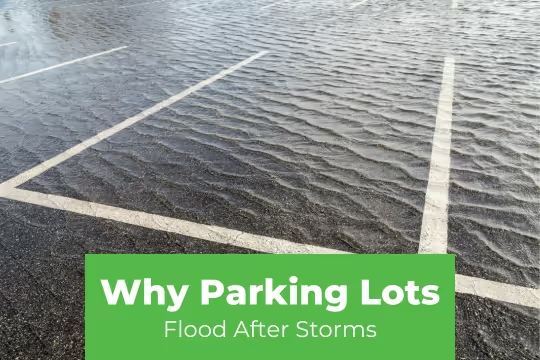
Shopping centers, hospitals, apartment buildings, and logistics hubs in and around the Pacific Northwest all face the risk of flooding in their parking lots. In fact, it is fair to say that no commercial facility is immune to the risk of a stormwater system failure that allows water to back up and flood the parking lot. What are the most common causes of flooded commercial parking lots after heavy rain events? Why does a flooded parking lot present a danger sign that your stormwater infrastructure may be in trouble? Is there a way to proactively address flooded surfaces to prevent them altogether? Let's take a closer look.
Why Does Surface Flooding Indicate Underground Damage?

Stormwater infrastructure in Washington State is designed to move water below ground to prevent flooding above ground. Therefore, if above-ground flooding is visible, there is a good chance that the trouble is below ground. Pinpointing the problem does not have to be complicated.
Structural Damage to Infrastructure Elements
Damage to the underground structures reduces the amount of water that catch basins, vaults, and similar elements can hold. Sediment-filled conveyance pipes dramatically slow water flow during rain events. As a result, even moderate stormwater presence overwhelms the infrastructure. We recommend treating even minor parking lot flooding as a warning sign that could indicate problems that need your attention.
Damage to Conveyance Pipes
Even if catch basins and vaults are functioning as intended, the causes of flooded commercial parking lots after heavy rain may lie in the pipes that are supposed to transport the water. Common causes of property flooding may be cracked or collapsed pipes. Additionally, sediment may clog conveyance pipes, reducing the amount of water that can travel through them.
Below-Ground Erosion Results in Pavement Damage
In some cases, the parking lot flooding may concentrate in one area. Here, you may be looking at damaged pipes that allowed the soil surrounding them to wash away. This process creates voids, damages, and weakens the asphalt above, which may then lead to pavement settlement, cracks, or the formation of low spots. Water tends to flood these areas.
What Causes Hidden Storm Drain Collapse?
We have already connected surface flooding with a warning sign of problems below ground. It is rarely the final stage of damage to any stormwater management infrastructure. Because storm drain collapse is one of the most common causes of flooded commercial parking lots after heavy rain, let's talk about what causes this problem. Notice that these causes are not typically surprising or difficult to foresee.
- Age. Pipe materials naturally deteriorate over time. Older PVC becomes brittle and cracks easily. Concrete piping is susceptible to cracks and joint failures. Metal pipes may rust from the inside out. You will not realize there is a problem unless you enlist a technician to inspect the pipes with a camera, or until the pipes collapse and the surface areas flood.
- Sediment. When sediment builds up inside the pipes, water flow is naturally restricted. Water backs up in the pipes, leading to flooding above ground. Unless you deal with the problem, ongoing flow restriction stresses pipe walls and joints. A final collapse is possible.
- Roots. Tree roots are a significant risk factor in cases of conveyance pipe problems. Roots grow toward moisture and can enter the pipes through even minute cracks in walls or joints. As the roots grow and expand, they block the water flow inside the pipes. Large roots may even break pipes apart. This is a gradual process that you can catch before it leads to a complete pipe collapse.
- Weight. Your conveyance pipes run under the parking lot. Over time, heavy vehicle traffic compacts the asphalt and soil beneath. This, in turn, puts stress on the pipes that they were not designed to withstand. If there is any soil erosion below the pipes, it is only a matter of time until they collapse.
Warning Signs You Should Not Ignore
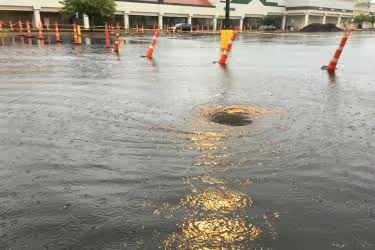
It is now clear that the flooded parking lot is a symptom of a problem that is gradually worsening. Look for warning signs such as surface flooding with slow drainage, pavement depressions, and cracks running across the parking lot. Storm drain collapse typically results when deterioration combines with water movement and load stress. Standing water and asphalt deterioration signal the need for immediate intervention. However, it is possible to know the condition of your stormwater infrastructure well before any problems manifest.
The Success of Proactive Parking Lot Flood Mitigation
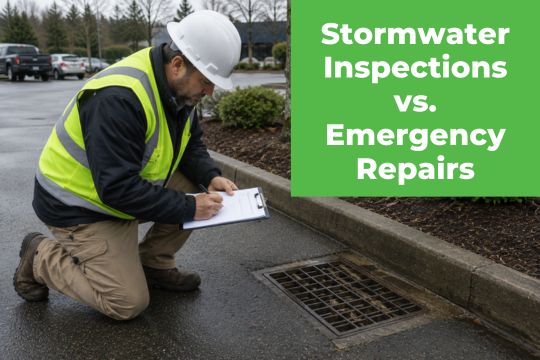
You do not have to wait until it is time to fix standing water in the parking lot. A proactive approach to stormwater infrastructure inspections and maintenance can prevent flooding before it disrupts business operations, damages pavement, or poses safety risks to tenants and visitors. Additionally, regular maintenance is more cost-effective than emergency repairs.
Prevent a Final Pipe Collapse
What does a proactive approach accomplish? It allows for regular inspections that identify sediment buildup, debris clogs, root intrusions, and small cracks before they become emergencies. By catching these problems early, you may be able to collaborate with trusted technicians to prevent a collapse. Repairs are less expensive than an emergency excavation and pipe replacement.
Prevent Asphalt Damage
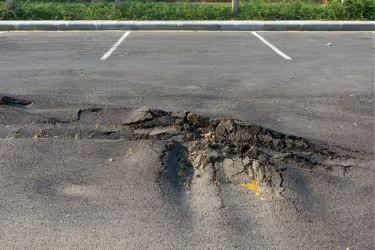
Standing water weakens your parking lot's pavement. It leaks through even the smallest cracks, which may then accelerate damage from the freeze-thaw cycles so common in Washington State. Save money with proactive pipe repairs that prevent standing water, thereby minimizing the need for lot repaving.
Manage Safety and Liability Risks
As the property manager, it is your responsibility to protect visitors and tenants from preventable risks. A flooded parking lot increases the risk of slip-and-fall accidents and potential vehicle damage. Moreover, there is a risk of accessibility violations under the Americans with Disabilities Act. Documenting the steps you take to prevent water backup not only demonstrates your due diligence, but it can also reduce liability exposure. Additionally, documented stormwater system inspections and maintenance records support your regulatory compliance.
Request a Storm Drain System Evaluation Today
The comparison between potential emergency repairs versus planned inspections, maintenance, and smaller repairs is compelling. A proactive approach saves you money over a reactive approach to repairs. There will be fewer emergency callouts, fewer large emergency repairs, and a longer lifespan for the infrastructure.
Our team of highly-trained technicians routinely collaborates with Washington State commercial property managers and owners to provide peace of mind through infrastructure inspections and maintenance. Join property managers in the know and request a storm drain system evaluation today!