

.png)
Most property managers and owners are well-versed in the danger of pollutant accumulation during the wet winter months. That said, far fewer realize the extent of the stormwater pollution risks during the dry season summer months. Rain is rare, so how bad can it be? Here is a hint: it is much worse than what you imagine. Let's take a closer look at dry weather runoff.
Does Stormwater Pollution Happen During Dry Weather?
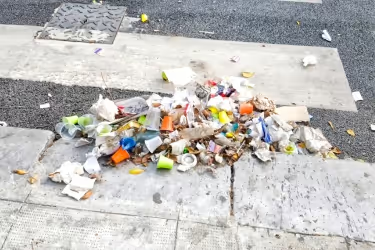
Are you surprised to learn that stormwater pollution begins in dry weather? It is true! Pollutants build up in landscaped areas, on rooftops, on walkways, and on the pavement of parking lots. Examples include:
- Pet waste that accumulates as more tenants walk their dogs during the warm months.
- Trash, debris, and landscape waste are significant during warm weather.
- Oil, grease, and brake fluid that build up as tenants or their visitors drive and park vehicles.
Additional dangers arise when tenants or third parties improperly dump grease, chemicals, or paint into storm drains.
Summer Activities That Increase Pollution
During the summer, there will be grass clippings and the risk of overwatering. Tenants may spend weekends washing their cars and doing maintenance. There will be more events in common areas (litter and beverage spills) and maintenance projects (concrete dust, solvents, and debris) that you have put off during the winter.
Why Do Pollutants Build Up in the Dry Season?
Pollutants remain on the surfaces for days or weeks. Nothing washes them away, so they become more concentrated. In the meantime, everyday activities from tenants and vendors add more contaminants. Specialists in the stormwater management field refer to this process as "chronic loading." It sets up the pollutant load to wash into storm drains during the first rain.
It is noteworthy that relying on landscape irrigation does not actually diminish stormwater pollution risks during the dry-season summer months. While it might wash off some pollutants, it typically only moves them to other areas, such as the walkway, low spots in the parking lot, and curbs.
Meanwhile, sunlight and heat combine to break down trash into micro particles. As the soil dries out, dust becomes airborne and settles on your surfaces, adding to the pollutants. Wind carries micro particles and dust across your property. Additionally, the wind brings new contaminants to your property from neighboring areas.
What Happens When Rain Returns After a Dry Period?
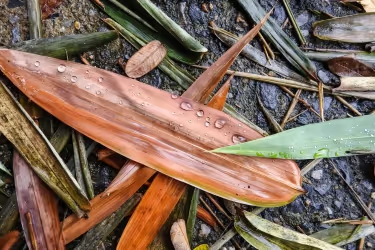
Another term stormwater management specialists use is "first flush." It refers to the return of rain after a period of dry weather. Everything that has been building up on surfaces is now lifted and carried by runoff into your stormwater management system. These early runoffs will have significantly higher pollutant concentrations than at any other time during the year.
Your stormwater infrastructure has to handle:
- Bacteria from organic waste and landscaping debris.
- Nutrients from landscape fertilizers.
- Chemicals from herbicides and insecticides.
- Hydrocarbons and heavy metals from parking lots.
- Cleaning agents that tenants may have used on their cars.
You may not even have to wait until the first heavy rain for pollutants to accumulate in stormwater management infrastructure. If your maintenance team occasionally pressure-washes the building surfaces or the parking lot, these pollutants are already in motion.
Why Do Cities Inspect Stormwater Systems in Summer?
Commercial parking lot sweeping, sediment buildup in catch basins, and illicit discharge detection are easiest in summer. When there is no rain, inspectors will follow up on water flowing into a storm drain. Something may leak into the stormwater system.
Besides that, catch basins and underground piping are much easier to inspect when the system has little water. Similarly, the dry season is an excellent time for undertaking preventative maintenance for stormwater systems.
Technicians identify system weaknesses and provide you with the information you need to address them.
What are Dry Season Stormwater Best Practices?
So far, we have discussed the various sources of stormwater pollution risks during the dry-season summer months. Let's take a look at what you can do to prevent pollution before it reaches dangerous levels. While each property is different, there are considerable similarities.
Put a Stop to Overwatering
Irrigation runoff is one of the most significant sources of dry-weather pollution. It carries fertilizers, gardening chemicals, and debris into your storm drains. You can prevent this problem by fixing broken sprinkler heads right away. Better yet, transition to drip irrigation where possible. It keeps water from flowing across the walkway pavement and out of the storm drains.
Manage Trash and Hard Surface Cleanups
Leaks are easy to see during dry weather. Stained concrete is typically all the tip-off you need. Keep dumpster lids closed at all times and verify that tenants are not disposing of harmful chemicals or grease in the dumpsters. These types of waste require special handling. If your dumpsters are located near storm drains, consider relocating them. It reduces the risk of trash entering the system.
At the same time, review your practices concerning keeping parking lots and other paved surfaces clean. Instead of using the pressure washer, consider sweeping the surfaces. Some property managers have begun investing in vacuum sweepers to improve the capture of potential pollutants before they reach the stormwater management infrastructure. Use absorbents to clean up spills rather than water from the hose.
Train Staff Members and Tenants to Treat Storm Drains With Special Care
No one in your building should ever dump liquids into the drains. The same goes for the vendors who assist with maintaining the property. When everyone is on the same page, it is much easier to prevent pollutants from entering the system through these drains. Add a buffer zone around the drains to keep vehicles from parking on them.
Create Standard Operating Procedures (SOPs) for the Dry Season
When you spell out best practices, it is easier for tenants, employees, and vendors to follow them.
- Spill procedures. Whenever a spill happens, it calls for a quick response. Absorbents are ideal for cleanup. Moreover, identify the correct methods for disposing of absorbents later.
- Chemical storage. Everyone must be able to identify the correct way of storing landscaping and maintenance chemicals. Containers must be covered and labeled.
- Pollutant buildup removal. Your maintenance team will be instrumental in sweeping up pollutants throughout the dry season. They must know the best practices and what you expect of them.
By the way, now is also an excellent time to have stormwater management system technicians inspect your system infrastructure and clean catch basins, piping, and other elements.
Reactive Cleanup vs. Proactive Maintenance
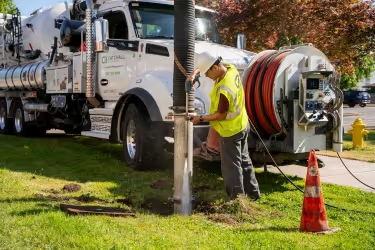
Stormwater risk does not stop when it is dry, and the sun is shining. On the contrary! As a property manager or owner, you can choose between reactive cleanup and proactive maintenance. (Here is a hint: one is much more budget-friendly than the other.)
Reactive cleanup means that you do not respond until after pollution and runoff have occurred. Action triggers include the first rain after a prolonged dry season or standing water near stormwater drains. Besides that, a city inspection may prompt your response. At this point, you may attempt an emergency spill response or engage the assistance of stormwater system technicians to clean catch basins that have become too full. Because cleanup is much more labor-intensive, it tends to be expensive. Even so, pollutants are most likely already in the storm system.
In contrast, proactive maintenance happens before there is ever a problem. It is part of your routine site management procedures and includes SOPs for sweeping parking lots, inspecting storm drains, and having stormwater management technicians inspect the infrastructure. When they alert you to needed maintenance or repairs, you address them right away. This approach greatly reduces long-term expenses by eliminating surprise emergency calls. Most importantly, it is more effective in preventing pollutants from entering the stormwater system. A bonus is that your property will already be ready for an unannounced city inspection.
Why Dry Weather Inspections Matter
As you collaborate with technicians well-versed in stormwater best management practices (BMPs), dry weather inspections:
- Allow technicians to identify and clean problem areas.
- Let you find and fix sources of contamination.
- Make it possible to remove debris, sediments, and clogs in stormwater pipes.
- Contribute to documented compliance to help your property management company avoid fines or enforcement actions.
Schedule a Stormwater System Inspection Before the Next Rain Event
Incoming rain will trigger the first flush, which washes built-up pollutants into the stormwater management system. Dealing with the system's overall operational readiness and minimizing pollutant levels significantly minimizes your compliance exposure. Additionally, it lessens the environmental impact of a first flush.
Getting started is easy. Go ahead and schedule a dry season inspection today!