

.png)
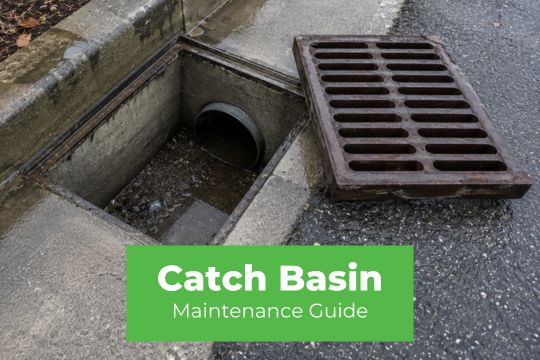
Many property owners and managers know they have catch basins, but few know what determines when they need to be cleaned.
The answer is sump capacity.
Understanding how a catch basin works and how sediment affects sump capacity can help you better plan maintenance, reduce the risk of flooding, and extend the life of your stormwater system.
What Is a Catch Basin?
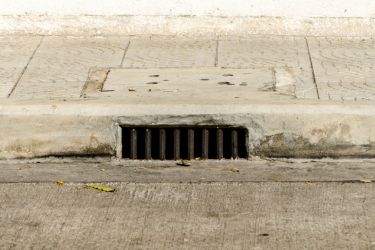
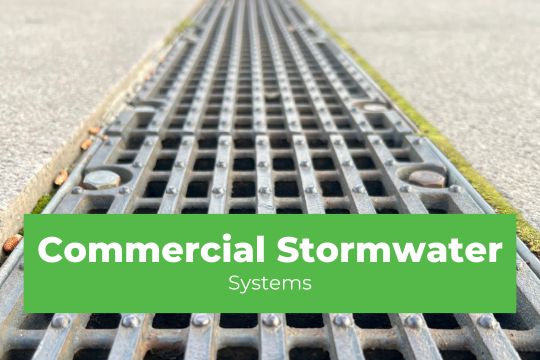
A catch basin is one of the most common stormwater structures found on many properties. Its primary purpose is to collect stormwater runoff while trapping sediment, debris, and other pollutants before they move through the rest of the stormwater system.
As stormwater enters the structure, heavier materials settle to the bottom while cleaner water continues through the outlet pipe to downstream stormwater structures.
Without catch basins, sediment would move much more quickly through the stormwater system, increasing maintenance needs and reducing the effectiveness of downstream treatment structures.
What Is Sump Capacity?
The sump is the space below the outlet pipe where sediment and debris collect.
Think of it as a storage area. Every time it rains, a small amount of sediment settles into the sump. As long as there is available storage space, the catch basin continues capturing sediment as designed.
The deeper the sump, the more sediment it can hold before maintenance is required. A shallower sump fills more quickly and typically requires more frequent cleaning.
Regardless of its size, every sump eventually fills and must be cleaned to restore its storage capacity.
What Causes a Catch Basin to Fill?
Sediment enters the stormwater system every time it rains.
Common sources include:
- Dirt and soil from landscaped areas
- Sand and gravel
- Leaves and organic debris
- Pavement dust
- Construction materials
- Trash and other debris
Some properties accumulate sediment much faster than others. Properties with gravel parking areas, ongoing construction, heavy vehicle traffic, or large landscaped areas often require more frequent maintenance than properties with lower sediment loads.
Why Sump Capacity Matters
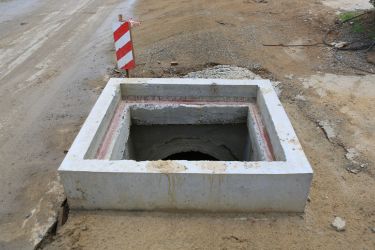
As sediment accumulates, the available storage space inside the sump becomes smaller.
Once that storage space is reduced, the catch basin becomes less effective at trapping new sediment. Instead, more sediment can move farther into the stormwater system, increasing maintenance needs for downstream structures.
Over time, reduced sump capacity may contribute to:
- Poor drainage
- Localized flooding during heavy rainfall
- Increased sediment in downstream stormwater structures
- More frequent maintenance
- More costly repairs if maintenance is delayed
Maintaining available sump capacity helps the entire stormwater system perform as intended.
Can You Tell When a Catch Basin Is Full?
Not usually.
Because the sump is below ground, a catch basin can appear perfectly normal from the surface while holding a significant amount of accumulated sediment.
Visible warning signs may include:
- Standing water after rainfall
- Slow drainage
- Excessive debris around the inlet
- Sediment visible inside the structure
- Localized flooding during heavy rain
However, many catch basins show no obvious signs until maintenance is already overdue.
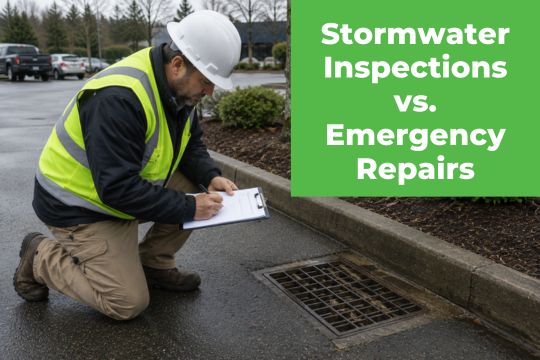
The only reliable way to determine sediment levels is through a professional inspection.
How Are Catch Basins Cleaned?
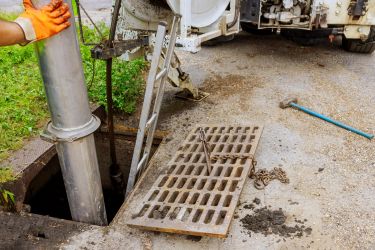
When cleaning is needed, technicians use a vacuum truck to remove accumulated sediment, debris, and standing water from the sump.
Once cleaned, the catch basin regains its available storage capacity and can continue trapping sediment effectively.
The collected material is transported and disposed of in accordance with applicable environmental regulations.
How Often Should Catch Basins Be Cleaned?
There isn't a single schedule that works for every property.
Cleaning frequency depends on several factors, including:
- Sump depth
- The amount of sediment entering the system
- Surrounding vegetation
- Nearby construction activity
- Traffic volume
- Property use
- Previous maintenance history
For that reason, CatchAll Environmental recommends basing maintenance decisions on the actual condition of the system rather than a fixed calendar schedule whenever possible.
Plan Maintenance Before Problems Develop
Waiting until a catch basin overflows or drainage problems appear usually means maintenance has been delayed too long.
Understanding sump capacity allows property owners and managers to take a proactive approach instead of guessing when maintenance is needed.
At CatchAll Environmental, we inspect stormwater systems, measure sediment levels, document existing conditions with photographs, and provide recommendations based on the condition of your stormwater structures. That allows you to plan maintenance, budget appropriately, and keep your stormwater system performing as intended.
If you're unsure when your catch basins were last inspected or cleaned, contact CatchAll Environmental to schedule an inspection or request a quote.