

.png)
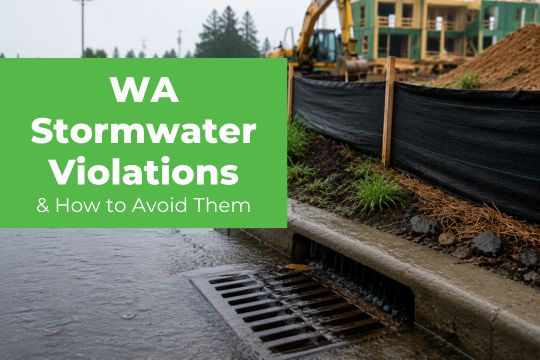
Receiving a Notice of Violation (NOV) from the Washington State Department of Ecology (Ecology), your local city or county, or another governing agency is never a good experience. It means that your property may not be meeting applicable stormwater regulations, permit requirements, or local stormwater management standards. The good news is that an NOV gives you an opportunity to correct the issue before it becomes more serious. Let's take a look at the most common stormwater violations in Washington and how to avoid them.
A Quick Summary of Why Violations Happen in the First Place
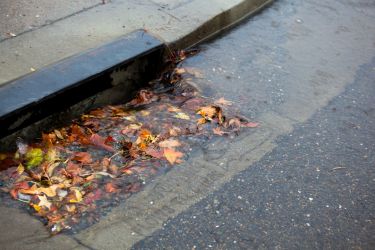
Unless there has been a sudden, catastrophic failure of your stormwater management infrastructure, violations are often due to behavioral or management issues, deferred maintenance, inadequate inspections, aging infrastructure, or documentation deficiencies. If these issues continue, they can adversely affect the functionality of your stormwater system and eventually result in an NOV.
Examples include:
- Blocked drainage due to accumulated trash, leaves, landscaping debris, or sediment. Sometimes yard waste occurs naturally, such as fallen leaves that are not cleaned up right away.
- Illicit discharges that can be traced back to tenant activities. Typical examples include chemicals a tenant might pour down drains or into trash receptacles.
- Stormwater ponds, bioswales, catch basins, treatment vaults, or other stormwater structures that no longer function properly because of deferred maintenance, sediment accumulation, erosion, damaged components, or aging infrastructure.
- Hazardous material storage that leads to, or could lead to, illicit discharges. Here, think of uncovered materials stored outside, or liquids kept in containers that may leak or could easily spring a leak.
- Insufficient system inspections and missing documentation.
A Closer Look at Common Stormwater Violations in Washington and How to Avoid Them
We have identified several problems that can result in a notice of violation. Now is the time to explore how to avoid these problems in the first place.
Insufficient Stormwater Pond Maintenance
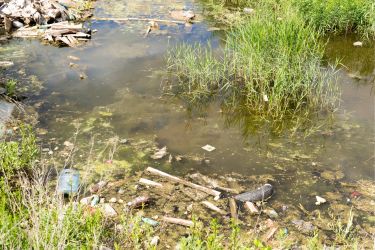
Stormwater ponds and bioswales play an important role in managing runoff by slowing water flow, allowing sediment and pollutants to settle or be treated, and helping protect nearby waterways. Over time, however, these structures accumulate sediment, debris, and vegetation that reduce their effectiveness. Avoid stormwater violations by scheduling regular inspections and performing recommended maintenance to keep these structures functioning properly. After heavy rainfall events, you may also want to schedule additional inspections to identify potential issues early.
Storm Drain Blockages
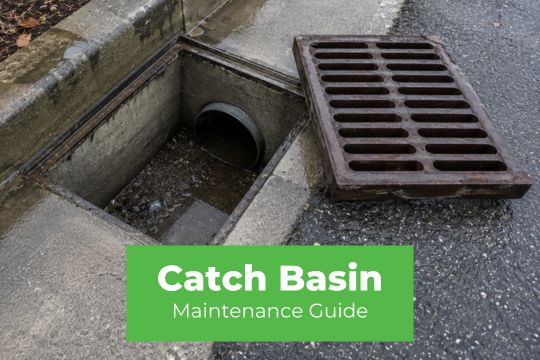
You know there is a blockage somewhere when you notice water backing up from the drains. Some areas of the property may flood whenever it rains. Left unaddressed, blocked catch basins, storm drains, or conveyance pipes can reduce the effectiveness of your stormwater system, contribute to localized flooding, and allow pollutants to bypass treatment or be carried into nearby waterways. Commercial storm drain cleaning is one of the most effective ways to restore proper system performance. Work with your maintenance staff or a qualified stormwater contractor to identify and remove blockages before they become larger problems.
Pollutants Entering Storm Drains
Pollutants can include the paint leftovers that your tenant is pouring into the storm drain. That said, they can also include vehicle fluids washed from your parking lot into the stormwater system. These fluids include oil, brake fluid, coolant, and heavy metals. Work with your tenants and maintenance crews to establish proper chemical disposal procedures. Additionally, develop a spill response protocol that your maintenance team knows how to implement immediately.
In some cases, regulatory agencies or local jurisdictions may issue an NOV based solely on the activities occurring at your property. Examples include leaking dumpsters that allow pollutants to enter storm drains, improperly storing materials outdoors, or allowing tenants and staff to perform vehicle maintenance in parking lots. Avoid violations by developing and implementing Best Management Practices (BMPs) and following them up with routine site inspections. Tenants and maintenance crews may require frequent reminders, especially in the beginning.
No Inspections or Proof of Maintenance Activities
Documentation is essential for avoiding stormwater fines in Washington. (There is no easy fix if you walk into a situation where records have not been maintained for years. In this situation, you can only move forward by establishing good documentation practices.) You should maintain records that document:
- Scheduled and completed inspections by qualified technicians.
- Maintenance and repair activities performed on your stormwater system.
- Corrective actions taken to address previously identified issues or NOVs.
During inspections or enforcement actions, documentation helps demonstrate that your property has been properly maintained and that identified issues have been addressed. Without adequate records, it can be much more difficult to demonstrate compliance.
A Typical Case Study
What does this look like in real life? Let's say your property has a stormwater pond. It shows heavy algae growth, and standing water is creating odor problems. Your tenants may have complained about it. Maybe your maintenance crew brought the problem to your attention. It does not take long for mosquito breeding to become evident. Which issues could be in play?
- Deferred maintenance of stormwater infrastructure.
- Inconsistent (or nonexistent) inspections of the stormwater pond.
- Minor problems, such as partial outlet clogging, have been allowed to balloon into serious issues like stagnant water and an overflowing pond.
What could the property manager have done differently?
For starters, develop a schedule for regular inspections and stick to it. Next, work with qualified technicians to address issues as they are identified. Stagnant water may indicate clogged outlets or excessive sediment accumulation, both of which should be investigated promptly. Addressing maintenance recommendations early helps prevent small problems from becoming larger, more expensive repairs.
Simple Preventive Steps You Can Take Today
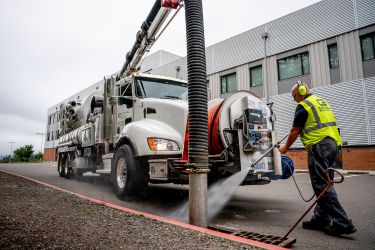
Many stormwater violations occur when inspections and routine maintenance fall through the cracks, especially after a change in property management. Fortunately, a few simple habits can help you stay ahead of potential issues.
Before a rainstorm:
- Walk the property and become familiar with your stormwater system.
- Compare existing stormwater structures to your site map, if available.
- Look for trash, landscaping debris, sediment buildup, or tenant activities that could create future problems.
After a rainstorm:
- Check for standing water or localized flooding.
- Look for overflowing catch basins or slow-draining stormwater structures.
- Document any issues and schedule maintenance before they become larger repairs.
Ongoing:
- Work with tenants, vendors, and maintenance staff to reinforce Best Management Practices (BMPs).
- Address small maintenance issues promptly to help prevent costly repairs and potential compliance issues.
How Proactive Routine Service Keeps You in Compliance
The most important element is a proactive approach to stormwater compliance and reporting solutions. A proactive maintenance program is one of the easiest ways to reduce the risk of stormwater violations.
Routine inspections and preventative maintenance help you:
- Identify problems before they become compliance issues.
- Keep catch basins, treatment vaults, ponds, bioswales, and other stormwater structures functioning properly.
- Maintain documentation that demonstrates inspections, maintenance, and corrective actions.
- Extend the life of your stormwater system while reducing unexpected repair costs.
Inspection frequency should be based on your property's specific conditions, permit requirements, and the types of stormwater structures on-site. An experienced stormwater contractor can help develop a maintenance schedule that keeps your property compliant while minimizing disruptions.