

.png)

Stormwater system problems start developing long before the first heavy autumn rainfall hits. You may recall how previously unnoticed concerns can suddenly disrupt the day: parking lots start to hold water, catch basins overflow, drainage issues arise, and maintenance requests pile up.
Delayed preparation can lead to unexpected repair costs and emergency service calls. The good news is that many preventable stormwater emergencies can be reduced through proper preparation and maintenance. Properly maintaining commercial stormwater systems before heavy rainfall helps identify early warning signs, preserve drainage capacity, and reduce the risk of costly emergency repairs.
While maintenance cannot prevent every flood, it gears you up for the season. Knowing how to prepare commercial stormwater systems for fall rains in Western Washington helps to catch these risks early before the rainy season begins.
Why Prepare Before Fall Rains?
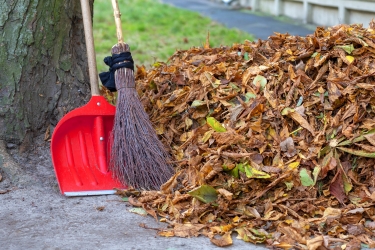
Thoroughly preparing a commercial stormwater system helps nip problems in the bud. Many issues stay hidden during dry weather because underground components are obstructed. Problems like sediment buildup or developing blockages may not become apparent until heavy rain strains the system and reveals them.
Western Washington's long rainy season places constant pressure on commercial stormwater infrastructure as heavy rainfall increases runoff for months at a time. This can overwhelm the system and reduce its ability to direct excess runoff away from the property. Without regular care, components can become clogged or damaged.
Scheduling preventive maintenance before severe weather allows inspections and cleaning to be completed before emergency repairs become necessary.
Benefits of Preparing Before the Rainy Season
- Less chance of flooding. Stormwater is kept flowing efficiently, preventing clogged drains from causing standing water.
- More predictable maintenance costs. Addressing minor drainage issues early helps to avoid expensive emergency repairs during peak rainfall.
- Keeps everyday operations moving. Weather-related disruptions affecting tenant access, deliveries, parking areas, and business activities are minimized.
- Better tenant experience. It keeps outdoor areas safe and accessible during the rainy season.
- Helps prevent property damage. It limits water-related damage to pavement, landscaping, foundations, and other exterior assets.
- Better inspection readiness. Current maintenance records and completed pre-season work make it easier to understand system conditions and prepare for applicable inspections.
Late summer is an ideal time to complete this work, giving property managers a practical window to address maintenance needs before Western Washington’s sustained fall and winter rains begin.
Which Parts Need Inspection First?
Focus on the components that most affect stormwater collection, storage, and flow. Not every commercial property includes every structure. Inspection priorities should reflect your system design and maintenance history. As a general rule, start by looking for visible cracks or damage anywhere in the system, then focus on the component-specific issues below.
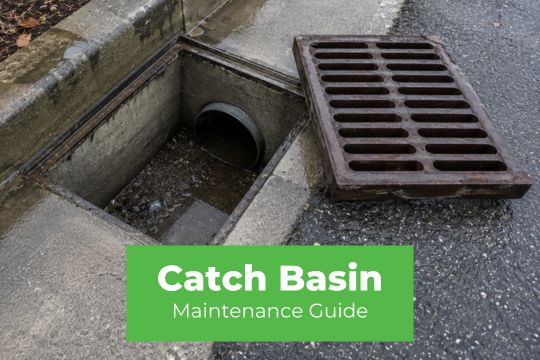
- Catch basins: Inspect for debris and sediment. They collect runoff and keep debris from entering the drains, but fallen leaves and sediment can restrict their capacity. Look out for: standing water, strong odors near the drainage, or blockages.
- Conveyance pipes: Examine any blockages or deterioration. These pipes move stormwater throughout the system, but seasonal debris and aging pipes can hinder flow. Common indicators include slow drainage and pooling.
- Detention and wet vaults: Check for accumulated material and limited storage. These vaults store or treat stormwater, but accumulations can limit them. You may notice excessive sediment, damaged walls or covers, or reduced capacity.
- Control structures: Evaluate their components for signs of wear, which can include irregular flow and malfunction. They regulate stormwater movement, but debris and deterioration can disrupt their performance.
- Stormwater filter systems (where applicable): Check the filter media for clogging. Filters remove pollutants from stormwater, but accumulated debris can cause blockage. Warning signs include: reduced flow, poor treatment performance, or frequent maintenance needs.
- Oil-water separators (where applicable): These units separate oil and sediment from stormwater, so assess for any excess material that can prevent them from working properly. Look out for reduced separation efficiency and visible contamination.
- Stormwater ponds (where applicable): Inspect ponds for erosion, vegetation issues, and obstructions around inlets and outlets. Addressing these early helps preserve the pond’s ability to manage stormwater during wetter months.
- Bioswales (where applicable): Check bioswales for erosion, damaged vegetation, sediment deposits and debris, and areas where water is not draining as intended so runoff can move through the system and receive the intended treatment.
Properties With Industrial Operations
Industrial properties in Western Washington may have additional requirements depending on facility activities, permits, and local jurisdiction. Managers should also review applicable Best Management Practices (BMPs), which are designed to lessen stormwater pollution.
Where applicable, a Stormwater Pollution Prevention Plan (SWPPP) identifies potential pollutant sources and outlines practices to help prevent stormwater contamination. SWPPP requirements, Industrial Stormwater General Permit applicability, and inspection requirements can vary based on the type of operation and local regulations.
Warning Signs You Should Not Ignore
Visible stormwater problems often point to issues beneath the surface. Recognizing these signs early helps prevent damage, disruptions, and emergencies.
- Standing water that remains after rainfall: Persistent pooling may indicate limited drainage capacity, blockages, or slower flow. Recurring or long-lasting pooling should be professionally evaluated.
- Slow drainage throughout the system: Obstructed flow may reflect restrictions in a conveyance pipe. Unresolved issues can increase the risk of backups and flooding.
- Frequent buildup in drainage components: Sediment buildup or settled soil, dirt, and debris may signal upstream issues or maintenance needs. This can limit system effectiveness and result in drainage failures.
- Catch basins that overflow during rainfall: Overflow may indicate buildup, lower capacity, or inadequate upkeep. Repeated issues should be evaluated for possible cleaning or repairs.
- Sinkholes or pavement settlement near stormwater structures: Ground movement may reveal erosion, leaks, or a structural defect, such as cracks or damage affecting stability. Professional evaluation is needed to prevent further damage.
- Repeated blockages affecting drainage flow: Recurring obstructions may result from collected debris or restricted flow and signal maintenance needs. Delayed inspection can increase the risk of backups and system failures.
- Erosion developing near drainage structures: Soil erosion around inlets, outlets, or other components could mean poor drainage control or deterioration. Continued erosion can weaken surrounding areas and requires investigation.
- Unusual odors coming from stormwater components: Persistent odors may suggest trapped debris, stagnant water, organic buildup, or drainage issues. Ongoing odors should be professionally evaluated to prevent maintenance problems.
- Damaged grates or deteriorated stormwater structures: Any cracked or damaged components could point to structural issues affecting safety and operation. Delayed repairs can worsen damage and increase maintenance risks.
What Maintenance Should Be Completed Before the Rainy Season?
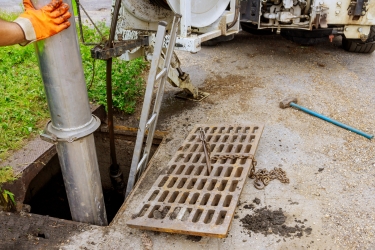
Complete maintenance before heavy rainfall to preserve the system’s drainage capacity and cut down preventable issues. The specific services or schedule needed will depend on property type, system design, jurisdiction, maintenance history, and operating conditions.
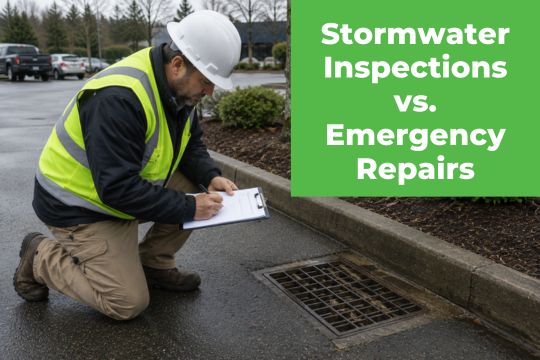
- Inspect the stormwater system. Evaluate visible structures and review available service history records to detect any potential concerns. This helps provide a foundation for your seasonal maintenance planning. Reviewing system maps can also help confirm drainage pathways and point to critical components.
- Identify deficiencies and prioritize repairs. Document buildups, damaged components, blockages, or recurring drainage issues. Prioritize higher-risk concerns to address them before they lead to emergency repairs. Any minor repairs should also be completed before the rainy season begins.
- Clean critical structures. Schedule catch basin cleaning, vacuum cleaning, and debris removal when inspections indicate minimized capacity or increased drainage risk. Pipe jetting uses high-pressure water to clear internal obstructions and restore flow capacity. Removing accumulated material helps maintain flow and prevent backups.
- Investigate hidden problems. When inspections reveal concerns that cannot be assessed visually, additional services may be needed. Video pipe inspection uses specialized cameras to identify internal damage, deterioration, or blockages within drainage pipes.
- Update maintenance documentation. Maintain records of inspections, cleaning, repairs, and system conditions. Accurate maintenance documents completed work and make it easier to plan and prepare for future inspections.
- Schedule ongoing maintenance. Develop a maintenance schedule based on system needs, previous findings, and applicable requirements. A customized plan helps focus resources where they provide the greatest benefit while supporting long-term performance. Its frequency should be based on site conditions and local requirements rather than a one-size-fits-all schedule.
Commercial Fall Stormwater Preparation Checklist
☐ Inspect visible drainage structures for damage, buildup, or reduced performance.
☐ Schedule catch basin cleaning to remove buildup that limits drainage capacity.
☐ Check conveyance pipes for restricted flow, repeated blockages, or frequent overflows.
☐ Review previous inspection records to identify recurring issues and prioritize maintenance.
☐ Update maintenance records after inspections, cleaning, repairs, and completed work.
☐ Address warning signs such as standing water, erosion, damaged structures, or drainage problems.
☐ Schedule a professional inspection if problems are difficult to assess, maintenance history is incomplete, or additional expertise is needed.
☐ Review spill response, flooding response, and applicable stormwater BMPs with maintenance staff and tenants before the rainy season.
Review Rainy-Season Procedures With Staff and Tenants
Preparing the stormwater infrastructure is only part of rainy-season readiness. Before fall rains begin, review the following relevant site stormwater procedures with maintenance personnel and, where appropriate, tenants so they understand what to watch for and how to respond when problems occur:
- Spill response: Confirm that staff knows how spills should be contained, reported, and addressed before pollutants can reach catch basins or other stormwater structures.
- Flooding and drainage response: Establish who should be contacted when standing water, overflowing catch basins, blocked drains, or other drainage problems are observed, and identify areas that may require additional attention during heavy rainfall.
- Site BMPs: Review applicable Best Management Practices (BMPs) for activities such as material storage, waste handling, outdoor maintenance, and keeping stormwater structures clear of debris and potential pollutants.
Clear responsibilities can help site personnel recognize problems earlier and respond consistently. Pairing these procedures with pre-season inspection and maintenance gives property managers a more complete approach to preparation.
Why Ongoing Maintenance Beats Emergency Repairs
Consider an ongoing stormwater maintenance program rather than relying mainly on emergency repairs, but note that it cannot prevent every flooding event. Emergency repairs will sometimes still be necessary, but a planned approach can reduce how often they become the only option.
Reactive Maintenance
This is maintenance that begins only after a stormwater issue affects the property. When failures occur unexpectedly, you may need emergency service scheduling, which often means higher costs, limited availability, and interrupted daily operations. Unplanned repairs can create less predictable budgets and make it more difficult to prioritize future maintenance needs.
Without consistent records of previous problems, completed repairs, and system conditions, decision-making may be delayed, and issues may remain unaddressed longer.
Proactive Maintenance
This implements scheduled inspections, planned cleaning, and documented system care. Regular evaluations help pinpoint areas of concern, including underground issues that may not be visible during routine checks. It also makes budgeting more consistent by allowing you to plan for routine needs instead of relying primarily on emergency responses.
CatchAll Environmental's commercial stormwater maintenance services support inspections, cleaning, documentation, and ongoing stormwater management. While proactive maintenance requires ongoing investment, it supports long-term infrastructure management, avoids operational disruptions, and extends the life of stormwater systems.
When Should You Schedule a Professional Inspection?

Schedule a professional inspection before fall rains or when conditions warrant. Inspections help provide information for a site-specific maintenance plan, a customized schedule of services based on a property’s conditions and stormwater infrastructure design.
- Before the fall rainy season: A pre-season inspection allows you to confirm critical parts are functioning properly, prioritize needed services, and schedule maintenance before rain can create additional challenges.
- When recurring drainage problems or warning signs appear: Standing water, backups, buildup, erosion, or damaged structures may indicate underlying concerns. A professional inspection can provide insight into possible causes and system conditions to determine appropriate repairs or actions.
- When maintenance history is incomplete: An inspection helps establish current system conditions when records are unavailable or outdated. Infrastructure mapping can document system layouts and support future maintenance planning.
- During ownership changes or before municipal inspections: Updated system information helps new owners understand maintenance responsibilities and prepare for compliance.
- When structural defects or previous flooding are suspected: Professional evaluation can help identify contributing factors, assess infrastructure conditions, and prioritize repairs or necessary improvements to reduce future problems.
Inspection timing should be based on site-specific conditions. Requirements and recommended practices vary by jurisdiction, property type, and system design.
Prepare Before the Rainy Season Arrives
Preparing a commercial stormwater system beforehand allows you to address maintenance needs and enter the rainy season with a clean, inspected system ready for heavier rainfall. Early inspections can reveal hidden issues and support property performance in the long run.
Preparing early is easier than responding to emergency drainage problems. Maintenance requirements vary by property and jurisdiction, so preparation should be tailored to each site. If you’re unsure about the condition of your privately owned stormwater system, scheduling a fall stormwater system inspection can be a practical way to assess its current condition and determine whether preventive maintenance may be needed.