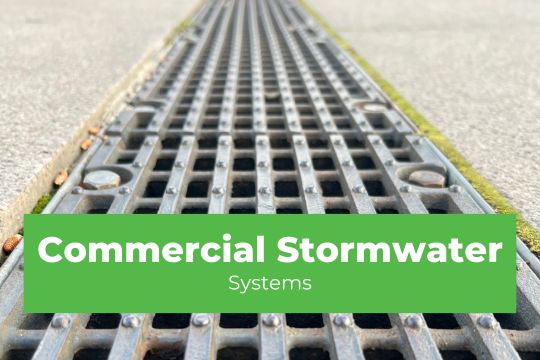


A commercial parking lot can have several drainage grates, underground structures, and a nearby stormwater pond. Although these features look separate, they work together to collect, transport, store, and treat runoff. With so many components involved, what stormwater structures do commercial properties need to inspect and maintain?
Common commercial stormwater structures include catch basins, conveyance pipes, manholes, detention vaults, treatment systems, ponds, bioswales, and flow controls. Some properties also have specialized filtration units, oil-water separators, infiltration structures, and outfalls. Not every property has the same structures, and their arrangement varies by site.
Knowing which structures are present, how they function, and what maintenance they need helps property managers spot drainage problems early and arrange necessary maintenance before minor issues lead to costly repairs.
How Do Commercial Stormwater Systems Work?
Stormwater runoff from roofs, parking lots, and other paved surfaces enters catch basins, where some sediment and debris are collected before water moves through underground conveyance pipes. From there, treatment structures remove certain pollutants, detention facilities temporarily store runoff, and flow controls regulate discharge. Outfalls release water into receiving areas or downstream systems, while infiltration facilities allow water to soak into the ground.
These commercial stormwater system components serve different but connected functions, although not every property has all of them. A blocked downstream pipe, for example, can cause water to back up into an upstream catch basin. Treatment and flow-control structures, many of which are classified as stormwater best management practices (BMPs), also need maintenance suited to their functions. Effective commercial stormwater BMP maintenance requires attention to both individual structures and the drainage system they operate within.
Which Structures Collect and Move Stormwater?
Collection and conveyance structures receive runoff from paved surfaces and direct it toward storage, treatment, or discharge facilities. Different types of stormwater drainage structures can look similar from ground level, but they have different functions and maintenance needs.
Catch Basins: Type 1 and Type 2
Catch basins are commonly located in parking lots, drive aisles, and other paved areas.
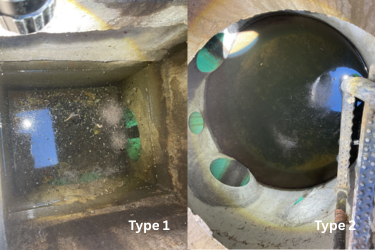
Type 1 catch basins typically have a square or rectangular structure without ladder rungs. Inside, a shallow sump collects sediment and debris, while at least one conveyance pipe connects the basin to the drainage system.
A Type 2 catch basin typically has a cylindrical structure with ladder rungs and a larger sump. Its opening can feature a round or rectangular solid cover or a grate.
Both collect runoff and trap some sediment before water moves downstream. Buildup can reduce capacity and disrupt drainage. Routine catch basin inspection and cleaning should include checking sediment depth, debris, inlet conditions, and visible structural damage. Roots near pipe connections, deteriorating pavement around covers, and unusually high water levels are additional warning signs.
Catch basin cleaning frequency depends on sediment accumulation, site conditions, and applicable maintenance requirements.
Stormwater Conveyance Pipes
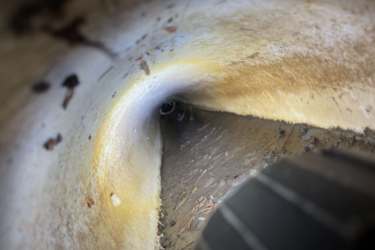
Stormwater conveyance pipes carry runoff underground between collection points, treatment facilities, and discharge locations. Their routes can be difficult to trace without drainage plans or system maps. Sediment buildup, root intrusion, and structural damage can restrict flow and cause water to back up in upstream structures.
Recurring blockages, sediment buildup, or signs of deterioration can call for professional camera inspection and, where needed, pipe jetting, root removal, or repairs.
Which Structures Store and Control Runoff?
Storage structures temporarily hold stormwater, while control structures regulate how quickly it moves downstream. Together, they help manage runoff volumes and reduce the risk of downstream flooding during heavy rainfall.
Underground Detention Vaults and Wet Vaults
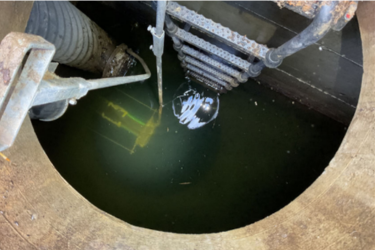
Underground detention vaults are large enclosed chambers, often built beneath parking areas or other developed surfaces, that store stormwater before releasing it at a controlled rate. They can include internal flow controls and separate sumps where sediment collects.
Wet vaults, on the other hand, maintain a permanent pool of water to help settle sediment and remove certain pollutants from stormwater.
In both types of vaults, sediment buildup can reduce storage capacity or interfere with treatment and flow-control components. Professional inspections check sediment depth, access conditions, structural integrity, and control sumps to determine what maintenance is needed.
A storm vault sediment removal schedule should account for sediment buildup, inspection findings, and approved facility requirements. Even with minimal sediment on the vault floor, an obstructed control sump can require maintenance.
Stormwater Flow Control Structures
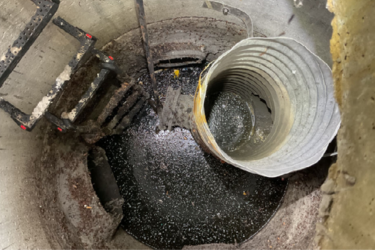
Stormwater flow control structures regulate discharge rates and water levels through components such as vertical restrictor pipes with small openings called orifices. Some structures also use gates operated by rods or chains.
Clogged orifices, damaged gates, and sediment buildup can disrupt discharge, so inspections should check these components for obstructions, damage, and proper operation. Cleaning and repairs should follow the structure's design, condition, and approved maintenance requirements.
Which Structures Treat Stormwater?
Stormwater treatment systems capture selected pollutants before runoff continues downstream. Different treatment technologies have their own components and operating requirements, so stormwater treatment system maintenance needs to be tailored to each system.
Stormwater Filter Vaults and Treatment Systems
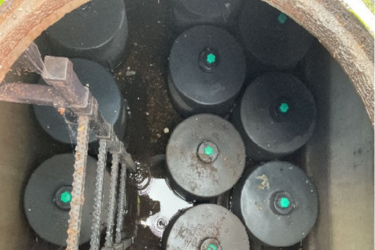
Stormwater filter vaults are underground structures that use filtration cartridges or other treatment media to capture targeted pollutants from runoff. Manufactured treatment systems vary in design, with some using filter cartridges and others relying on vegetation, engineered media, or specialized treatment chambers.
For stormwater filter vault maintenance, professional inspections check for sediment buildup, clogged filters, damaged or missing components, standing water, and access problems, as applicable to the system. Cleaning, sediment removal, and filter servicing should follow the facility's approved maintenance plan and manufacturer instructions.
Oil-Water Separators and Hydrodynamic Separators
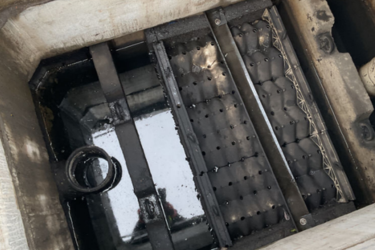
Oil-water separators and hydrodynamic separators are underground stormwater treatment structures that use different methods to separate pollutants from runoff.
Oil-water separators use chambers, baffles, or coalescing plates to separate petroleum products, sediment, and floating debris from stormwater. During oil water separator inspection, professionals check oil and sediment accumulation, plate condition, and water levels between chambers. Collected oil and sediment must be properly removed and disposed of.
Hydrodynamic separators use internal flow patterns to capture sediment and certain floating pollutants. Inspections check for accumulated sediment, floating debris, oil or grease, and internal blockages. Cleaning needs are determined by how much material has been collected and the maintenance requirements for the specific system.
Which Structures Manage Runoff Aboveground?
Aboveground facilities store, convey, infiltrate, or treat stormwater through engineered landscapes. Inspections focus on sediment buildup, erosion, vegetation, and other conditions that affect their performance.
Detention and Retention Ponds
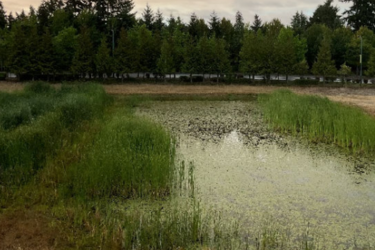
Stormwater ponds manage runoff through storage, controlled release, settling, or infiltration. Detention ponds temporarily store runoff before releasing it downstream, while retention ponds maintain a permanent pool of water. Infiltration ponds allow runoff to soak into the ground. Because these facilities can look similar, property managers should use approved stormwater plans to identify them.
Stormwater detention pond maintenance includes checking sediment buildup, erosion, vegetation, inlets, outlets, and control structures. For maintaining commercial retention ponds, inspections also cover damaged banks, excessive vegetation, and blocked discharge points. These findings help determine whether a pond needs sediment removal, vegetation management, erosion repairs, or inlet and outlet maintenance.
Bioswales and Bioretention Swales
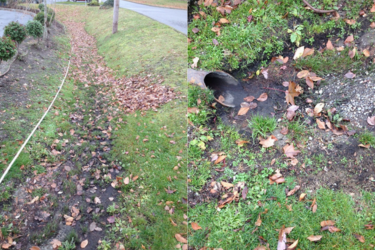
Bioswales are vegetated channels that collect runoff from paved surfaces, curb openings, or drainage pipes. They slow and convey water while vegetation and soil help capture sediment and pollutants.
Bioretention systems use vegetation and engineered soil media to filter and treat runoff within a designed treatment area. Their design and maintenance needs differ from those of bioswales.
Routine bioswale inspection and maintenance includes checking for blocked flow paths, sediment buildup, erosion, damaged inlet protection, unwanted vegetation, and changes in channel grade. For bioretention swales maintenance, inspections also check vegetation health, sediment accumulation, and the condition of treatment media, with cleaning and repairs guided by the approved facility design.
Other Infiltration and Discharge Features
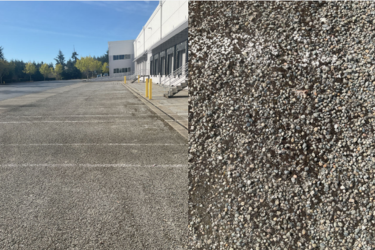
Drywells and permeable pavement are additional stormwater features property managers should identify in their system records. Drywells collect runoff and allow it to soak into surrounding soil, while permeable pavement lets water pass through its surface into underlying layers. Sediment clogging can restrict infiltration and cause water to collect on the surface.
At discharge points, a stormwater outfall inspection checks for blockages, erosion, excess vegetation, sediment buildup, and damage to trash racks or protective rock lining.
How Often Should Stormwater Structures Be Maintained?
Regular inspections don't always mean regular cleaning. Stormwater inspection frequency depends on the structure's maintenance requirements, while cleaning needs depend on its condition. If an inspection reveals a blockage or damaged component, repairs or other corrective work might be needed sooner.
For commercial property managers, maintenance generally falls into three categories:
- Routine inspections: Regular checks for sediment buildup, structural damage, drainage problems, and blockages, including additional inspections after major storms when needed.
- Scheduled cleaning: Removing sediment and debris based on maintenance requirements, manufacturer instructions, and past accumulation levels.
- Corrective maintenance: Addressing blocked pipes, damaged structures, malfunctioning controls, or other problems identified during inspections.
In Washington, commercial stormwater facility maintenance requirements depend on local regulations, facility design, permit conditions, and property use. Some jurisdictions require annual or other periodic inspections, while cleaning schedules are based on each structure's condition and maintenance needs.
Private stormwater facilities can also be subject to local maintenance codes and agreements developed under Washington's stormwater permitting programs. Property managers should follow the requirements established by their local jurisdiction and approved facility documents.
A practical maintenance program should record inspection dates, sediment measurements, identified problems, completed work, and follow-up recommendations. For help planning commercial stormwater maintenance schedules, see these stormwater system maintenance tips.
What Warning Signs Require Attention?
A drainage problem at one structure can signal a blockage elsewhere in the system.
Property managers should request a professional inspection if they notice:
- Standing water or unusually slow drainage around catch basins.
- Heavy sediment or debris accumulation.
- Recurring blockages after cleaning.
- Erosion, excessive vegetation, or unusual ponding around ponds and bioswales.
- Damaged grates, covers, or surrounding pavement.
- Unusual discharge conditions, visible pollutants, or obstructed outfalls.
Property staff should not enter vaults, manholes, pipes, or other confined spaces. Internal inspections, pumping, and specialized cleaning belong with qualified professionals.
Understanding Your Stormwater System
Accurate stormwater structure identification helps property managers understand maintenance needs and spot drainage problems early.
CatchAll Environmental helps commercial property owners identify, inspect, clean, and maintain privately owned drainage infrastructure. For help developing a site-specific maintenance plan, contact our stormwater maintenance specialists.